

Well Water and Septic Systems in Rural Ohio: What Buyers Need to Know Before Closing
Rural Ohio properties in counties like Medina, Wayne, Portage, and Stark often rely on private well water and septic systems rather than municipal utilities, and understanding how these systems work is essential before you make an offer. From Ohio EPA regulations to inspection checklists and maintenance costs, this guide covers everything buyers and sellers need to know. Whether you are searching for a farmstead, a wooded retreat, or a countryside home, going in informed can save you thousands and prevent costly surprises after closing.

How to Read a Seller Disclosure Form in Ohio
Ohio law requires sellers to complete a Residential Property Disclosure Form before closing, but knowing how to read it is what truly protects your investment. This guide walks through every section of the form, explains what red flags to look for, and shows how disclosure details connect to your negotiating strategy and budget. Whether you are buying in Cuyahoga, Summit, Stark, Medina, Portage, or Wayne County, understanding this document puts you in a much stronger position.
Choosing Flooring That Handles Ohio Winters
Ohio winters bring heavy snowfall, road salt tracked inside, and dramatic temperature swings that can warp, crack, or stain the wrong flooring materials. This guide breaks down which flooring types hold up best in homes across Cuyahoga, Summit, Stark, Medina, Portage, and Wayne counties, with practical advice on installation and maintenance to protect your investment through every freeze-thaw cycle.

HVAC Replacement in Ohio: How to Choose the Right Size, Efficiency, and Budget
Replacing an HVAC system is one of the largest home improvement investments an Ohio homeowner will make, and getting the sizing and efficiency rating wrong can cost thousands over the life of the equipment. This guide walks through how Ohio's distinctive four-season climate shapes every major decision, from load calculations to rebate programs. Whether you own a century-old craftsman in Akron or a newer build in Medina County, the right approach starts with understanding your specific conditions.

HOA Communities in Ohio: Rules, Fees, and What to Verify Before You Buy
Homeowners associations are common across Ohio's suburban and planned communities, from Medina County subdivisions to newer developments near Akron and Canton. Before signing on the dotted line, there are specific documents, fees, and restrictions you need to review carefully. This guide walks you through exactly what to verify so there are no surprises after closing.
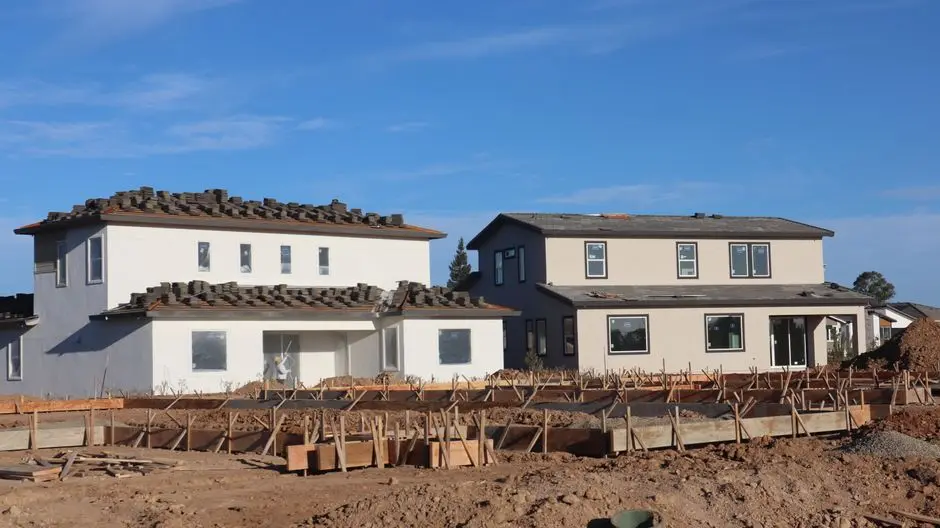
Foundation and Drainage Repairs in Ohio Homes: What Buyers, Sellers, and Owners Need to Know
Ohio's unique geology, freeze-thaw cycles, and heavy precipitation create conditions that make foundation and drainage issues more common here than in many other parts of the country. Whether you are buying, selling, or simply maintaining a home in Northeast or Central Ohio, understanding these problems, their costs, and how they affect property value is essential. This guide walks through the warning signs, repair options, and real estate implications every Ohio homeowner should know.

Short-Term vs. Long-Term Rentals in Ohio: A Practical Guide for Investors
Ohio investors choosing between short-term and long-term rentals face a decision shaped by location, regulations, and cash flow goals. This guide examines both strategies through the lens of Northeast Ohio's distinct markets, from Cuyahoga and Summit counties to Stark and Wayne. Use it to build a rental investment approach grounded in real Ohio market dynamics.

Lot Size, Setbacks, and What You Can Build in Ohio
Before you buy a lot, plan an addition, or add a structure to your Ohio property, understanding setbacks, lot coverage limits, and local zoning rules is essential. These regulations vary significantly across Ohio's townships, cities, and villages, and the wrong assumptions can derail a project before it begins. This guide explains the key concepts and what Northeast Ohio buyers and property owners need to know.

Assumable Mortgages in Ohio: How They Work and When They Make Sense
An assumable mortgage lets a homebuyer take over a seller's existing loan, potentially securing a below-market interest rate in the process. With the average 30-year fixed rate at 7.28 percent as of October 2026, Ohio buyers are increasingly exploring this strategy across markets in Cuyahoga, Summit, Stark, and surrounding counties. This guide explains how assumption works, which loans qualify, and what buyers and sellers need to know before pursuing this option.

Bridge Loans and Buying Before You Sell in Ohio
Buying your next Ohio home before your current one sells is possible with bridge financing, but the strategy requires careful planning. This guide explains how bridge loans work, what they cost in today's rate environment, and when the math makes sense for homeowners across Northeast and Central Ohio.

Living in One Unit of a Multi-Unit Property: The Ohio Owner-Occupant Investor's Playbook
Buying a duplex, triplex, or small apartment building and living in one of the units is one of the most accessible wealth-building strategies available to Ohio homebuyers. Often called house hacking, this approach lets you offset your mortgage with rental income from neighboring units while building equity and gaining real landlord experience. Here is what you need to know before making the leap in Northeast Ohio's multi-unit market.

USDA Loans for Rural Ohio Properties: Zero Down Financing Explained
USDA loans offer eligible Ohio buyers a path to homeownership with no down payment required, and the program covers far more of the state than most buyers realize. From Wayne County's rural townships to outer reaches of Medina, Portage, and Stark counties, qualifying properties and income limits make this one of the most powerful financing tools available. This guide breaks down how USDA loans work, what Ohio-specific eligibility looks like, and the practical steps to apply.