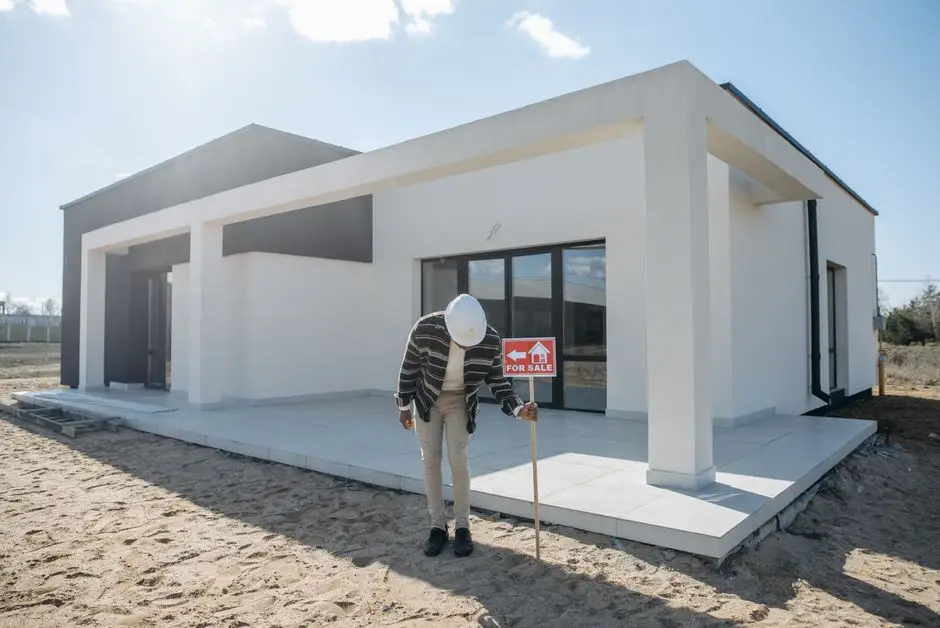
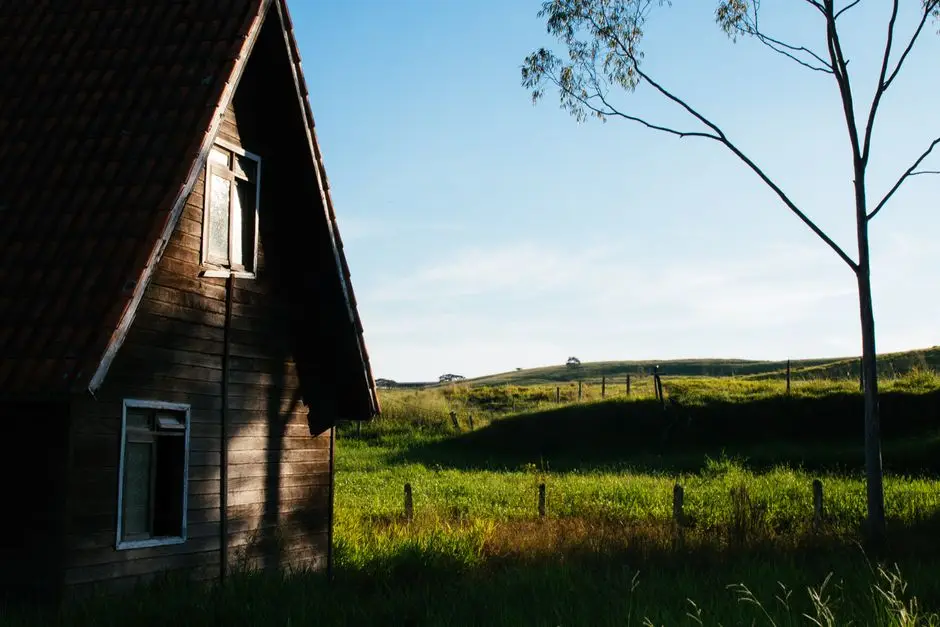
Photo by Athena Sandrini on Pexels
What Is a USDA Loan and Why Does It Matter in Ohio?
If you have been searching for a way to buy a home with little or no down payment, a USDA loan may be one of the most underutilized tools available to Ohio buyers. Backed by the U.S. Department of Agriculture, USDA loans are designed to encourage homeownership in eligible rural and suburban areas, and Ohio's geography makes the program surprisingly accessible to a wide range of buyers across the state.
Despite the name, USDA loans have nothing to do with farming. The program is a standard residential mortgage product available for single-family homes in qualifying locations. The two biggest draws are the zero-down-payment requirement and the competitive interest rates. As of September 2026, the average 30-year fixed mortgage rate sat around 7.03 percent, according to national market data. USDA loan rates are often at or slightly below the conventional benchmark, and when paired with no required down payment, the monthly savings compared to a conventional loan can be meaningful. Visit our mortgage calculator to model different loan scenarios and see how USDA financing might compare for your situation.
How USDA Eligibility Works in Ohio
USDA eligibility rests on two pillars: the property location and the borrower's household income. Both must meet USDA guidelines, and both are worth understanding before you begin your search.
Property Location Requirements
The USDA maintains an online eligibility map that designates which areas qualify as rural for program purposes. Importantly, "rural" under USDA rules does not mean remote farmland. Many Ohio towns and suburban communities with populations well under 35,000 qualify. Portions of counties such as Medina County, Portage County, and Wayne County include eligible addresses, as do stretches of Stark County outside of major urban centers.
It is worth noting that eligibility boundaries can shift after each decennial census as the USDA updates population data. Always verify a specific property address on the official USDA eligibility website before assuming it qualifies. The USDA map is the definitive source, not county lines or ZIP codes alone.
Household Income Limits
USDA income limits are based on the area median income (AMI) for the county where the property is located, and they vary by household size. In general, the USDA Guaranteed Loan Program allows households to earn up to 115 percent of the AMI for their area. Because Ohio's median home prices tend to run well below the national median, and because local wages vary across counties, some buyers are surprised to find they earn too much for the program in higher-income suburban markets but comfortably qualify in more rural portions of the state.
For precise income limits by county and household size, consult the USDA Rural Development income eligibility tool directly, or work with a licensed lender who originates USDA loans. The figures are updated periodically and the specific thresholds are too important to rely on secondhand information. Always verify current limits with the USDA or a licensed mortgage professional.
Two Types of USDA Loans: Guaranteed vs. Direct
Many buyers do not realize there are actually two distinct USDA home loan programs, and they serve different income levels and needs.
- USDA Guaranteed Loan: This is the most commonly used option. Private lenders originate the loan, and the USDA guarantees a portion of it against default. There is no down payment required, and credit standards are generally more flexible than conventional loans. Most buyers working through a bank or mortgage company will use this program.
- USDA Direct Loan: This program is funded directly by the USDA and is aimed at low- to very-low-income applicants who cannot qualify through conventional or guaranteed lending channels. The USDA directly services the loan. Payment subsidies can reduce the effective interest rate significantly. Eligibility requirements are stricter, and processing times can be longer. Applications go directly through your local USDA Rural Development office.
For most Ohio buyers exploring rural property purchases, the USDA Guaranteed Loan is the faster and more widely available path. However, buyers with lower incomes who are purchasing in qualifying areas should ask a licensed lender about both programs to determine which offers the better outcome for their specific circumstances.
Ohio's Rural Real Estate Landscape in September 2026
Ohio's housing market presents an interesting backdrop for USDA loan activity. As of September 2026, there were 11,919 active listings across the state, with a median active list price of $215,000. That figure sits dramatically below the national median home sales price of $410,700 recorded in September 2026, underscoring Ohio's reputation as one of the more affordable states for homeownership in the country.
Homes in Ohio were averaging 73 days from listing to close over the prior 90-day period, with 4,102 closed sales recorded in the most recent 30-day window. These figures suggest a market that is still active but with enough inventory to give buyers room to negotiate. For buyers eyeing USDA-eligible areas, this dynamic can be particularly favorable: homes in smaller Ohio towns and rural corridors may carry lower price tags and see less competition than listings in major metro cores.
You can browse active Ohio listings to see what is available in USDA-eligible communities today, or explore our Ohio community pages to learn more about specific areas across the state.
Which Ohio Counties and Communities Have USDA-Eligible Areas?
The counties served by our team offer a good illustration of how USDA eligibility plays out across a diverse region of the state.
Medina and Wayne Counties
Medina County straddles the line between suburban and rural Ohio. The city of Medina itself is a vibrant small city, and portions of the county's townships include USDA-eligible addresses. Wayne County, anchored by Wooster, contains extensive rural acreage and a mix of agricultural and residential land uses. Many addresses throughout Wayne County qualify for USDA financing, making it a logical starting point for buyers who want rural character at an affordable price point.
Portage County
Portage County offers a compelling mix of small cities, townships, and natural areas in Northeast Ohio. While the Ravenna and Kent areas have more urban character, buyers focused on the county's outer townships may find USDA-eligible properties at prices well below what comparable square footage would cost closer to Summit County or Cuyahoga County.
Stark County
Beyond Canton's urban core, Stark County includes rural townships and smaller communities where USDA eligibility may apply. Buyers drawn to the county's lower price tier should check specific property addresses on the USDA eligibility map, as the boundaries can be more granular than county or ZIP code lines suggest.
Key USDA Loan Features and Costs to Know
USDA loans come with their own cost structure that differs from conventional and FHA products. Understanding these figures helps you compare accurately.
- No down payment: The USDA Guaranteed Loan requires zero down for eligible buyers, which eliminates one of the biggest upfront barriers to homeownership.
- Guarantee fee (upfront): The USDA charges an upfront guarantee fee, similar in concept to FHA's upfront mortgage insurance premium. This fee can be rolled into the loan balance. Verify the current rate with the USDA or your lender, as it is subject to change.
- Annual fee: In addition to the upfront fee, USDA loans carry a smaller annual fee expressed as a percentage of the outstanding loan balance. This is paid monthly as part of your mortgage payment. Again, confirm the current rate with your lender, as the USDA periodically adjusts it.
- No private mortgage insurance (PMI): Unlike conventional loans with less than 20 percent down, USDA loans do not require PMI. The guarantee fee structure replaces that cost and is typically lower than PMI for many borrowers.
- Credit score flexibility: Most USDA lenders look for a minimum credit score around 640 for streamlined underwriting, though some lenders will manually underwrite files with lower scores. Work with a licensed lender to understand where your credit profile stands.
Use our mortgage calculator and rate tools to estimate payments and compare USDA financing against conventional and FHA options side by side. These are illustrative tools to help you plan; all rates and terms are subject to change and should be confirmed with a licensed lender before making any decisions.
Common Misconceptions About USDA Loans in Ohio
"USDA loans are only for farmers or people buying land." This is one of the most common myths and it is simply not true. USDA loans finance standard single-family residences. The property must be used as a primary residence and must be modest in size and value relative to the area, but no agricultural activity is required whatsoever.
Other misconceptions worth addressing:
- Only remote areas qualify. In Ohio, many properties within commuting distance of Akron, Canton, and other cities fall within USDA-eligible boundaries. Do not assume a property is ineligible before checking the map.
- Processing is too slow. USDA Guaranteed Loans process through private lenders and often close on timelines comparable to FHA loans. Direct Loans through the USDA office may take longer, but working with an experienced lender minimizes delays.
- You cannot use seller concessions. USDA guidelines do allow seller-paid closing costs within certain limits, which can reduce the cash needed at closing to near zero for well-negotiated transactions.
Steps to Apply for a USDA Loan in Ohio
If you are interested in pursuing USDA financing, here is a practical sequence to follow:
- Check your target area on the USDA eligibility map at the official USDA Rural Development website to confirm the property location qualifies.
- Review your household income against USDA income limits for the county. These are published on the USDA website and updated periodically.
- Pull your credit reports from all three bureaus and review them for errors or accounts that need attention before applying.
- Connect with a licensed lender who has active experience originating USDA loans. Not every lender offers the program, and experience with USDA-specific requirements matters.
- Obtain a pre-approval letter. This positions you to make offers quickly in a market where well-priced homes in rural Ohio can still move at a solid pace.
- Work with a local real estate professional who knows the rural Ohio markets you are targeting. Navigating well and septic inspections, acreage limits, and other rural property considerations requires local expertise.
Ready to Explore Rural Ohio Properties?
USDA loans represent a genuine opportunity for Ohio buyers who want to purchase in rural and suburban communities with little or no money down. Ohio's affordable median prices, combined with USDA's zero-down structure, can make homeownership achievable well ahead of what a conventional loan timeline might allow. Whether you are exploring Wayne County's open landscapes, the townships of Medina or Portage County, or rural reaches of Stark County, understanding USDA financing is a smart first step.
Our team serves buyers across Cuyahoga, Medina, Portage, Stark, Summit, and Wayne counties and is ready to help you navigate both the financing and the property search. Search available Ohio listings to start identifying properties in your target area, or connect with our local team to discuss your goals and get personalized guidance. If you are also selling a home, you can get a home value estimate to understand what your current property may be worth in today's market. Real estate and mortgage decisions involve significant financial considerations; always consult with a licensed lender and, where appropriate, a tax or legal professional before proceeding.