Photo by Rafael Minguet Delgado on Pexels
Why Economic Indicators Matter for Ohio Homebuyers and Sellers
Whether you are buying your first home in Akron, selling a property in Medina County, or exploring investment opportunities in Stark County, you are not operating in a vacuum. The Ohio housing market is directly shaped by broader economic forces, including interest rates, employment data, consumer confidence, and construction activity. Learning to read these signals gives you a meaningful edge in one of the most significant financial decisions of your life.
The good news is that Ohio consistently offers housing affordability well below the national median. With a median active listing price of $185,000 as of July 2026 across Ohio, compared to a national median home sales price of approximately $403,200 (first quarter of 2026 data), buyers in this market often find more value per dollar. But even that advantage can shift when economic conditions change. Here is what to watch and why it matters.
Mortgage Rates: The Pulse of Purchase Power
The 30-year fixed mortgage rate is arguably the single most influential short-term factor in residential real estate. As of June 2026, the average 30-year fixed rate was 6.48 percent. While that figure is general and illustrative (rates vary by lender, credit profile, and loan type), it frames the affordability conversation in a real way. Always consult a licensed lender for rates specific to your situation, and use our mortgage calculator to explore how different rate scenarios affect your monthly payment.
A one-percentage-point increase in mortgage rates on a $185,000 loan can add roughly $100 to $120 to a monthly payment, depending on the loan terms. Over 30 years, that adds up to more than $36,000 in additional interest. For buyers in Summit County or Portage County, where household incomes vary widely, this kind of shift can meaningfully affect how much home a buyer can comfortably afford.
When rates rise, demand typically cools, which can soften prices or slow bidding wars. When rates fall, buyer activity surges. Sellers should pay close attention to rate trends because they directly influence how many qualified buyers are actively searching at any given time.
Employment and Wages: The Foundation of Housing Demand
Ohio's economy is diverse, with major employment sectors spanning manufacturing, healthcare, logistics, and professional services. Counties like Cuyahoga County anchor significant portions of the state's economic output through Cleveland's healthcare and financial services industries. Wayne County, with its agricultural and manufacturing roots, reflects a different but equally important slice of Ohio's workforce landscape.
When employment is strong and wages are rising, more households are positioned to enter the housing market or trade up to a larger home. Conversely, when layoffs increase or wage growth stalls, demand softens. Keep an eye on:
- Ohio Department of Job and Family Services monthly unemployment reports
- Major employer announcements in your target county or city
- Wage growth trends in key Ohio industries
- Federal Reserve commentary on labor market conditions
Local employment news is especially important in concentrated markets. A major employer expanding in Canton or Massillon can accelerate housing demand in ways that broader state or national data would never capture.
Housing Starts and Building Permits: The Supply Side of the Equation
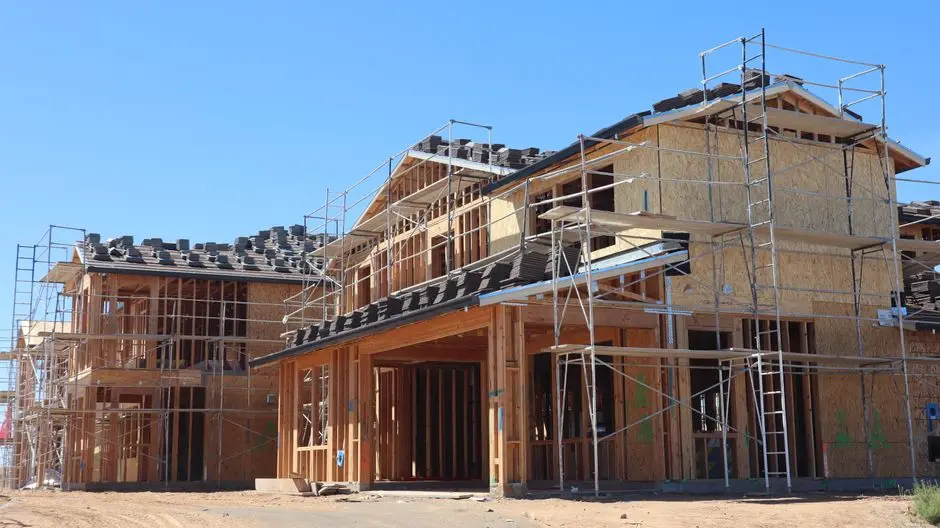
Supply and demand dynamics are central to understanding home prices and market pace. Nationally, housing starts came in at approximately 1.465 million units (annualized), with building permits running close behind at roughly 1.442 million units (both April 2026 data). These figures reflect a construction sector that is active but still below the levels needed to fully address years of underbuilding across much of the country.
Ohio mirrors this dynamic in many markets. With 10,521 active listings statewide and 2,723 closed sales recorded in the last 30 days, inventory levels remain relatively lean. That pace implies roughly 3.9 months of supply, which is still below the 5 to 6 month range typically associated with a balanced market. In competitive pockets of Medina County or Summit County, available inventory can move even faster.
When new construction is limited, existing homeowners tend to hold more pricing power. However, rising construction costs tied to inflation can push new-build prices higher, which in turn puts upward pressure on existing home values. For buyers, this means that waiting for prices to drop in undersupplied markets can sometimes backfire.
Consumer Confidence and Inflation: The Sentiment Indicators
Consumer confidence indexes, published monthly by organizations like The Conference Board and the University of Michigan, measure how optimistic or pessimistic households feel about current and future economic conditions. These numbers influence housing activity in ways that are less direct but still powerful.
When consumers feel financially secure, they are more willing to take on a 30-year mortgage. When confidence drops, even buyers who qualify for financing may choose to wait. Inflation plays a parallel role. Rising costs for goods, services, and energy reduce disposable income, which can squeeze the savings buyers need for down payments and closing costs.
For Ohio markets, inflation also affects property taxes, homeowners insurance premiums, and the cost of home maintenance, all of which factor into a buyer's total cost of homeownership. Buyers in Stark County or Portage County should budget holistically, not just for the mortgage payment itself.
Days on Market: A Ground-Level Economic Indicator
One of the most honest reflections of market health is how long homes take to sell. As of July 2026, the average days listed to close in Ohio over the last 90 days is 76 days. This figure encompasses everything from contract negotiations to the closing table and provides a practical benchmark for setting seller expectations and buyer timelines.
In stronger economic climates, days on market shrink. Buyers move quickly, contingencies are waived, and sellers have leverage. As economic headwinds build, that number expands. Tracking this metric locally, not just statewide, is important. A home in a high-demand area of Akron might close in 45 days, while a rural property in Wayne County might take significantly longer, depending on price point, condition, and buyer pool.
How to Use Economic Data as a Buyer or Seller
For Buyers
- Monitor mortgage rate trends weekly, not just at the point of application. Even a modest rate improvement between pre-approval and locking can save thousands.
- Watch employment announcements in your target area. Growing job markets tend to push home prices upward over time.
- Use local inventory data to gauge your negotiating position. When fewer than three months of supply exists, expect competition. Explore current listings on our property search page to assess what is available as of July 2026.
- Budget for the full cost of ownership, including property taxes, insurance, and maintenance, not just your monthly principal and interest payment.
For Sellers
- Time your listing around economic confidence. Spring markets tend to coincide with improved consumer sentiment, which increases buyer pool depth.
- Price accurately based on current comparable sales, not last year's peaks. A precise pricing strategy attracts more qualified buyers and reduces time on market.
- Understand how rate environments affect your buyer pool. Higher rates may reduce the number of buyers who can stretch to your asking price, so conditioning and presentation become even more critical.
- Request a current market analysis from a local expert. Our home value estimator can give you a data-driven starting point for understanding what your home is worth in today's market.
Ohio's Relative Affordability Remains a Long-Term Strength
Even as national economic pressures ebb and flow, Ohio's housing market benefits from a structural advantage: affordability. With a median active price of $185,000 compared to the national figure of over $403,000, Ohio offers real estate value that is difficult to find in many other parts of the country. That gap does not eliminate the impact of economic headwinds, but it does provide a buffer that keeps demand relatively stable even during periods of higher rates or lower confidence.
Communities across Cuyahoga, Summit, Medina, Portage, Stark, and Wayne counties each have their own micro-market dynamics layered on top of these statewide trends. Understanding both levels, the broad economic picture and the hyperlocal supply and demand data, is what separates informed real estate decisions from guesswork. For a full overview of communities across the region, visit our communities page.
Work With a Local Expert Who Knows the Data
Economic indicators are powerful tools, but they require local context to be truly useful. Our team monitors Ohio market conditions across Cuyahoga, Medina, Portage, Stark, Summit, and Wayne counties every day, helping buyers find well-priced opportunities and sellers position their homes competitively. Whether you are ready to act now or just starting to explore your options, we are here to help you make a confident, informed decision. Contact us today to connect with a local expert who can translate these economic signals into a clear strategy for your specific situation.