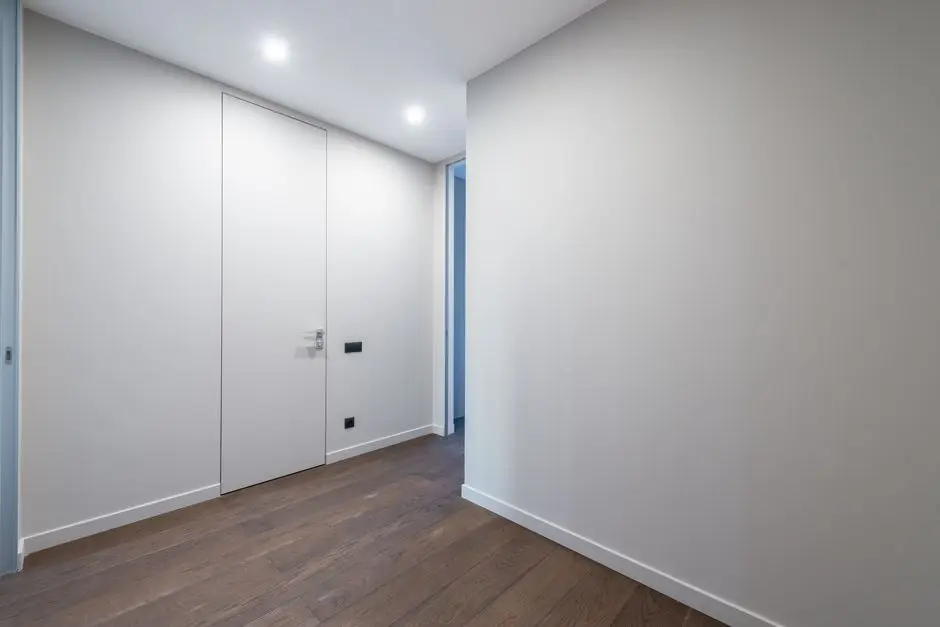
Photo by Peter Vang on Pexels
Why Basement Finishing Makes Sense in Ohio's Housing Market
Ohio homeowners have a natural advantage when it comes to basement finishing: the overwhelming majority of homes across Cuyahoga County, Summit County, Stark County, Medina County, Portage County, and Wayne County were built with full basements. Unlike homes in warmer regions that sit on slabs, the typical Ohio home already has hundreds of square feet sitting below ground, just waiting to be transformed into livable space.
With a median active listing price of $189,900 as of August 2026 in Ohio and active inventory at around 12,314 homes, competition among sellers is real. Finished square footage is one of the most tangible ways to differentiate a listing. Buyers searching for more space without paying more per square foot often respond strongly to properties where the lower level is already done and move-in ready.
That said, not every finishing project delivers the same return. Understanding costs, local buyer expectations, and project scope is essential before you commit to a renovation of this scale.
What Does It Cost to Finish a Basement in Ohio?
Nationally, basement finishing costs range from roughly $25 to $50 per square foot for a basic conversion, and $50 to $100 or more per square foot for a full build-out with a bathroom, wet bar, or home theater. In Ohio, labor costs tend to run slightly below the national average, which works in your favor. Here is a practical breakdown for the Northeast and North-Central Ohio markets.
Basic Finishing (Open Recreation Room, No Bathroom)
- Framing and insulation: $3,000 to $6,000
- Drywall installation and finishing: $2,500 to $5,000
- Drop or drywall ceiling: $1,500 to $4,000
- Flooring (LVP or carpet): $2,000 to $5,000
- Electrical (outlets, lighting): $1,500 to $3,500
- Paint and trim: $800 to $2,000
- Estimated total for a 700 to 900 sq ft space: $15,000 to $28,000
Mid-Range Finishing (Bedroom, Full Bathroom, Living Area)
- Everything in basic, plus:
- Full bathroom addition: $6,000 to $12,000
- Egress window installation (required for a legal bedroom in Ohio): $2,500 to $5,000
- HVAC extension or supplemental heating: $1,500 to $4,000
- Estimated total: $30,000 to $55,000
Premium Finishing (Home Theater, Wet Bar, Full Suite)
- High-end flooring, custom built-ins, wet bar with plumbing: $8,000 to $20,000+
- Home theater wiring and acoustic treatments: $3,000 to $10,000
- Estimated total: $55,000 to $90,000+
Keep in mind these are general estimates and actual costs vary based on your contractor, material selections, and the current condition of your basement. Always get at least three bids from licensed Ohio contractors before proceeding.
The ROI Question: What Do You Actually Get Back?
According to Remodeling Magazine's Cost vs. Value report, basement finishing nationally delivers an average return of around 70 to 75 percent of project costs at resale. In Ohio's market, anecdotal experience from agents working across Akron, Canton, and the greater Cleveland metro suggests the return can land between 65 and 80 percent depending on several key factors.
Factors That Improve Your ROI in Ohio
- Adding a legal bedroom. Installing a proper egress window and finishing a bedroom in the basement can meaningfully increase appraised value because it adds to the official bedroom count. Ohio code requires egress windows for any below-grade sleeping room, so skip this step and an appraiser will not count it.
- Adding a bathroom. Homes with fewer than two full bathrooms benefit disproportionately from adding a basement bath. In markets like Medina and Massillon, where many homes were built in the 1950s through 1970s with one and a half baths, a finished lower-level bath can be a genuine differentiator.
- Moisture control first. Ohio's clay-heavy soils and seasonal freeze-thaw cycles make basement moisture a serious concern. Any finishing project should begin with waterproofing, sump pump verification, and proper drainage. A beautifully finished basement that shows water intrusion signs will destroy buyer confidence and suppress value.
- Permit compliance. Ohio buyers are increasingly sophisticated, and their inspectors will check for permits. Unpermitted finishing work creates liability and can derail a sale. Always pull the proper permits through your local municipality, whether you are in Portage County or anywhere else in the region.
What Reduces Your ROI
- Over-customizing for your own taste (built-in murals, elaborate themed rooms)
- Using low-quality materials that look dated within a few years
- Skipping insulation, which creates a cold, uncomfortable space during Ohio winters
- Finishing without addressing pre-existing structural or moisture issues
What Ohio Buyers Are Looking for Below Grade
Based on buyer behavior in Northeast and North-Central Ohio over the past several years, the most in-demand basement features break down into a few clear categories.
Flexible Open Space
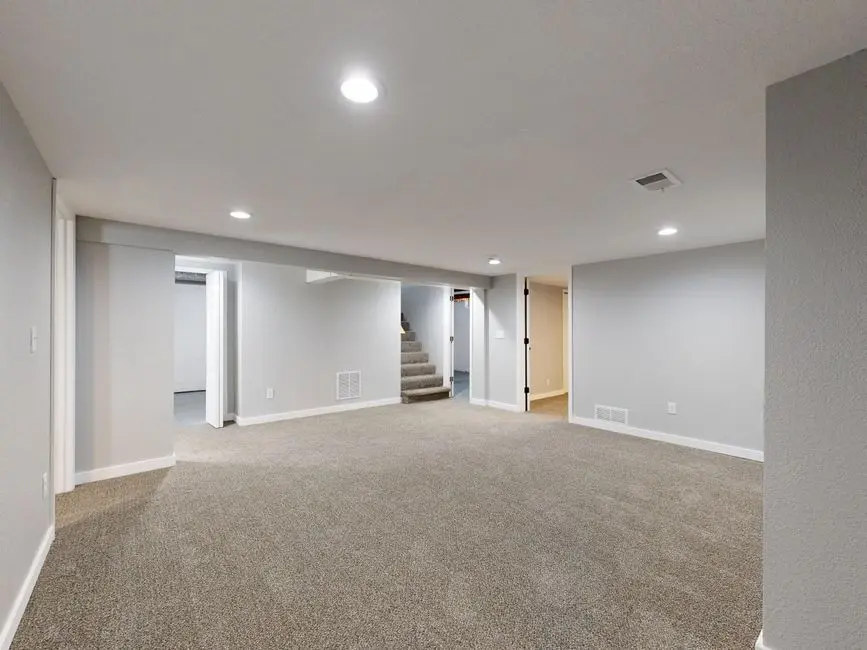
Buyers consistently respond to open, adaptable layouts that do not force them into a specific use pattern. A large open recreation area with good lighting, quality flooring, and adequate electrical outlets allows buyers to envision a home office, workout room, hobby space, or entertainment area on their own terms. Overly segmented basements with many small rooms can actually feel confining and limit appeal.
A Dedicated Home Office Area
Remote and hybrid work arrangements have permanently shifted buyer priorities across Wayne County, the Summit County suburbs, and throughout the region. A basement with a quiet, well-lit alcove or separate room wired for high-speed internet and with proper egress addresses a genuine need for a growing portion of the buyer pool.
A Full Bathroom
As noted above, a full bathroom (not just a half bath) adds the most value. Wet bars are a bonus that many buyers appreciate but should not be prioritized over functional plumbing if budget is limited.
Proper Ceiling Height
This is one element you largely cannot change without significant expense. Ohio homes from the mid-20th century often have basement ceiling heights of 7 feet or slightly less. If your ceiling height is under 7 feet, a full finishing project may not pencil out as well. Focus on good lighting and avoid ceiling treatments that eat up additional height. Where height allows, open joist ceilings painted white or with a well-installed drop ceiling maintain a more comfortable feel.
Permits and Code Requirements
Finished basement space has to meet code to count as living area, and that is the whole point of the investment. Ohio jurisdictions generally require permits for framing, electrical, plumbing, and HVAC changes below grade. Egress is the requirement that catches people: a basement bedroom needs a conforming egress window or exterior door, and cutting one into a foundation wall is a real line item, not an afterthought.
Pull the permits. An appraiser can decline to credit unpermitted basement space, which means paying for a finish that never shows up in the valuation.
Moisture Control Comes First
This is the step Ohio basements punish you for skipping. Freeze-thaw cycles work on foundations every winter, and the clay soils common across Northeast Ohio hold water against the wall rather than draining it away.
Before any framing goes up, deal with grading, downspout extensions, and any hydrostatic pressure showing at the walls or floor joint. If the basement has ever taken water, find out why and fix the cause. Finishing over an active moisture problem buries it behind drywall, where it turns into a mold remediation bill and a disclosure obligation.
Costs Are Not the Same Statewide
Labor rates and contractor availability vary across Ohio. Columbus and the Cleveland suburbs generally run higher than smaller markets in Wayne or Portage County. Get three quotes locally rather than budgeting off a national average, which will understate an urban project and overstate a rural one.
Choosing a Contractor and Timing the Work
Verify the license, verify insurance, and ask for basement-specific references you can actually call. Below-grade work has failure modes an otherwise good general contractor may not have handled.
On timing: late fall through winter is often easier to schedule, since exterior trades slow down and interior work is unaffected by weather. Spring is the hardest season to book and the most likely to reveal a water problem, which is a decent argument for at least inspecting in spring even if you build later.
What to Build: Trends That Hold Their Value
The below-grade projects that hold value are the flexible ones. A large open area that can serve as a family room now and something else in five years appeals to more buyers than a space committed to a single purpose. Built-in cabinetry and a wet bar are nice; a room that can only ever be a home theater is a narrower sell.
Two other trends are worth weighing. Some owners finish with a separate entrance and kitchenette to create rental potential, which can work well but must be checked against local zoning and occupancy rules before you build. And insulating the rim joist and foundation walls properly while everything is open is the cheapest energy improvement you will ever get access to, so do it even if it is not on the design plan.
What You Can Do Yourself, and What You Should Not
Demolition, framing on a clean dry wall, insulation, drywall hanging, painting, and trim are all reasonable for a capable DIYer, and they are a large share of the labor cost.
Electrical, plumbing, HVAC extension, and anything involving egress or the foundation should go to licensed trades. It is not only a safety and code question: unpermitted or non-conforming work below grade is exactly what an inspector flags and an appraiser refuses to credit, which eliminates the return you were finishing the basement to capture.
Do Not Over-Improve for the Street
There is a ceiling on what any given neighborhood will pay, and a premium basement finish in a modest price band runs into it. Before committing to a budget, look at what comparable homes nearby have actually sold for and how they were finished. If the finished basements around you are open recreation rooms, a $90,000 below-grade suite will not return proportionally.
Aim at broad appeal instead: dry, bright, flexible, with a full bathroom if the plumbing allows. That combination sells to almost every buyer. Highly specific installations sell to one.
Financing Your Basement Project
With average 30-year fixed mortgage rates at 6.65 percent as of August 2026, many Ohio homeowners are tapping into home equity rather than refinancing their primary mortgage to fund renovation projects. A home equity line of credit (HELOC) or home equity loan can make a $30,000 to $50,000 basement project financially manageable when structured correctly.
Before committing, use our mortgage calculator to model monthly payment scenarios and understand how different loan amounts affect your budget. Always consult with a licensed lender and a financial advisor before making borrowing decisions, as terms and qualification requirements vary and general figures like those referenced here are illustrative, not a guaranteed offer.
Selling with a Finished Basement: Positioning It Right
If you are planning to sell after finishing your basement, presentation matters as much as the renovation itself. Buyers need to immediately understand the square footage, the ceiling height, and the condition of the space. Professional photography that captures the light and layout is essential. Make sure your listing agent clearly communicates the finished square footage breakdown in the MLS entry and that any permits and inspection records are readily available for review.
Homes with finished basements In Ohio's market as of August 2026, where the average days from listing to close runs about 73 days, may see accelerated interest simply because finished, move-in-ready space is scarce in the lower price tiers. If you are wondering what your home could be worth after improvements, our home value estimator is a good starting point for understanding your current market position.
Is a Basement Finish Right for Your Ohio Home?
The answer depends on your timeline, your budget, your home's existing condition, and your local market. A basement finishing project in a strong price band in Cuyahoga County may behave very differently than one in a rural part of Wayne County. Neighborhood price ceilings are real, and no renovation can push a home above what comparable properties in an area will support.
The best first step is an honest conversation with a local real estate professional who understands your specific market. Whether you are investing in your home for the long term or preparing to list within the next 12 to 18 months, strategy matters.
Ready to talk through whether a basement finish makes sense for your goals? Contact our team for a no-pressure conversation with an agent who knows the Northeast Ohio market inside and out. You can also browse current Ohio listings to see how finished basements are priced and positioned in your target area, or visit our real estate blog for more practical home improvement and market guidance.