Photo by Pavel Danilyuk on Pexels
Why New Construction Is Different in Ohio
New construction activity across the country remained active heading into late 2026. Building permits were running at a seasonally adjusted annual rate of 1.4 million units as of September 2026, and housing starts came in at approximately 1.221 million units (also at a seasonally adjusted annual rate) as of September 2026. That national momentum is reflected in Ohio, where new subdivisions and townhome communities continue to take shape across Cuyahoga County, Summit County, Medina County, Stark County, Portage County, and Wayne County.
Buying new construction is not simply a matter of picking a floor plan and writing a check. The process involves a specialized purchase contract written by the builder's legal team, a series of design center appointments, construction milestone inspections, and a final walkthrough before closing. Each stage creates opportunities and risks that buyers need to understand before signing anything.
Reading the Builder's Purchase Contract
One of the most common misconceptions among first-time new construction buyers is that the builder's contract is non-negotiable. While builders in Northeast Ohio communities like Akron and Canton do use standardized forms, many terms are open to discussion, particularly before the builder has locked in a large number of sales in a phase.
Key Clauses to Review Carefully
- Completion date and delay provisions: Builder contracts almost always include language that allows the builder to push the completion date with limited financial consequence. Ask specifically what remedies are available to you if the home is not ready within a defined window. Some Ohio buyers have negotiated a daily credit or rate-lock extension reimbursement for significant delays.
- Earnest money and what happens to it: Builder earnest money deposits can run from one percent to five percent of the purchase price, and the conditions under which you forfeit that money are often more restrictive than in a resale transaction. Understand exactly which contingencies are permitted and which are not.
- Right to use your own lender: Some Ohio builders offer incentives, such as closing cost credits, only if you use their preferred lender. That is a legitimate business arrangement, but you should compare the preferred lender's total loan cost against outside offers. With the average 30-year fixed mortgage rate running at approximately 7.18 percent as of November 2026, even a small rate difference compounds meaningfully over the life of a loan. Use our mortgage calculator to run side-by-side payment estimates before committing to a lender.
- Arbitration clauses: Many builder contracts include mandatory arbitration for disputes, which limits your ability to pursue claims in court. Have an Ohio-licensed real estate attorney review this language before you sign.
- HOA and community fee disclosures: New subdivisions in Medina County and Portage County frequently include homeowners associations that come with both monthly dues and special assessments. The contract should identify all known fees, but ask the builder directly whether any assessments are anticipated during the first few years.
Bring Your Own Representation
The builder's sales agent represents the builder, not you. Having a buyer's agent who is familiar with the Northeast Ohio new construction market can make a significant difference. An experienced agent can identify contract terms that are outside the norm, advocate for upgrades or lot premiums to be reduced, and flag issues that a first-time buyer might overlook. There is typically no additional cost to you as the buyer for this representation. Learn more about working with a local expert on our about page.
Navigating the Design Center
Once your contract is signed, most Ohio production builders will schedule you for one or more design center appointments where you select finishes: flooring, cabinets, countertops, lighting, plumbing fixtures, and optional structural upgrades. This stage is where budgets can quietly spiral.
Practical Strategies for the Design Center
- Know your total budget before you walk in. Design center upgrades are often financed into the mortgage, which means they feel less expensive in the moment than they are. At current financing rates, a $15,000 upgrade package adds real carrying cost over time. Run the numbers first.
- Prioritize structural upgrades over cosmetic ones. Things like a third-car garage, a finished basement, or an additional bathroom are expensive or impossible to add after closing. Flooring and cabinet hardware can be replaced later at market prices, often for less than the builder's upcharge.
- Ask what is standard in comparable resale homes in your target area. In Stark County and Wayne County, certain features that builders price as upgrades may already be standard in the resale inventory you would be competing with at resale time. Knowing this helps you decide where to spend your upgrade budget.
- Get everything in writing. Every selection, every upgrade, and every credit should be documented with an addendum to your purchase contract. Verbal assurances from a sales agent are not enforceable.
Inspections During Construction
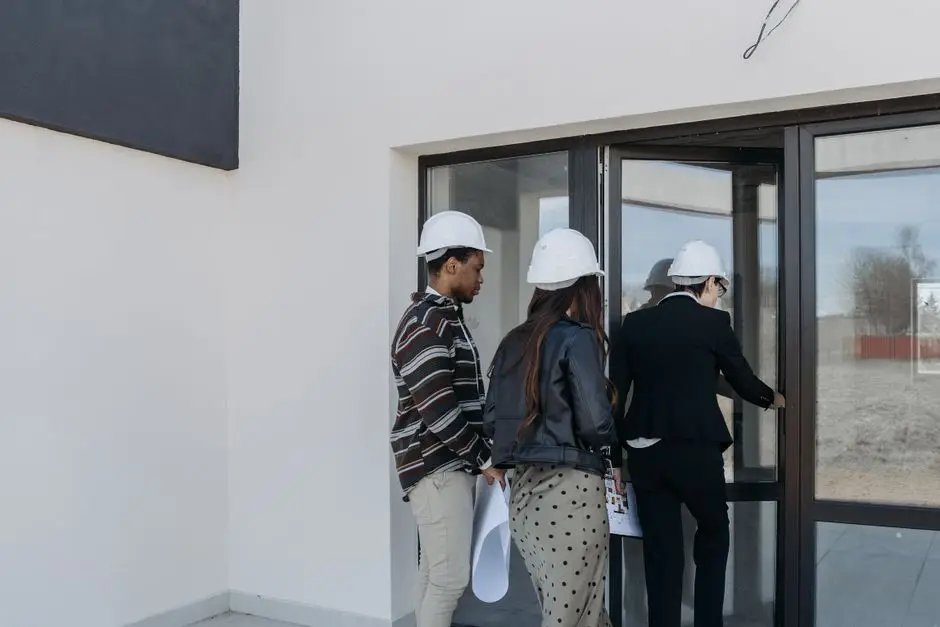
Many Ohio buyers assume that because a home is brand new, it does not need an independent inspection. That assumption is costly. Builder inspections are conducted by municipal code inspectors who are checking for minimum code compliance, not for quality or buyer protection. Hiring your own Ohio-licensed home inspector to review the home at key construction milestones is one of the best investments you can make.
Three Inspection Points That Matter Most
- Pre-drywall inspection: This is the single most valuable inspection in a new build. Once drywall goes up, you lose visibility into the framing, insulation, plumbing rough-in, and electrical rough-in. An inspector reviewing the home at this stage can identify issues that would otherwise be hidden for the life of the home.
- Pre-closing walkthrough inspection: Scheduled when the home is substantially complete, this inspection documents cosmetic and mechanical issues that the builder should address before closing.
- Eleven-month warranty inspection: Most production builders in Ohio offer a one-year workmanship warranty. Having an inspector review the home at the eleven-month mark gives you a documented list of items to submit before the warranty expires.
Your builder may push back on independent inspections or try to restrict inspector access. This is a red flag. Any reputable Ohio builder should welcome third-party oversight as a sign of quality confidence.
The Final Walkthrough: What to Inspect and Document
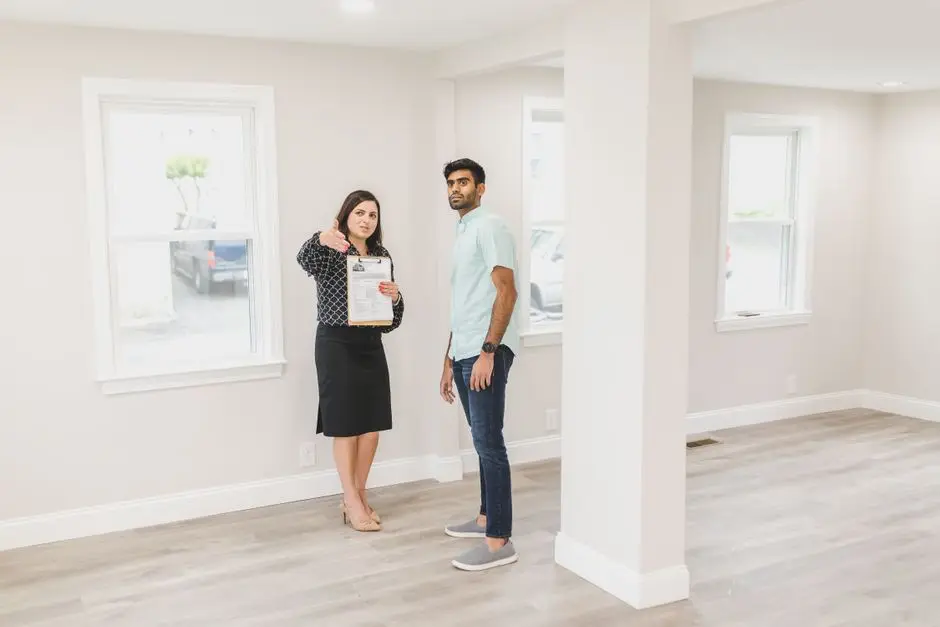
The final walkthrough, sometimes called the new home orientation, typically takes place one to two days before closing. This is your opportunity to walk through the completed home with the builder's representative, identify any items that are not complete or not up to the agreed-upon standard, and get a written commitment on resolution timelines.
What to Bring and What to Check
- Bring a copy of your original design center selections and compare each item against what was actually installed.
- Test every electrical outlet, light switch, and fixture.
- Run all faucets and flush all toilets to check for leaks and adequate water pressure.
- Open and close every door, window, and cabinet to check for smooth operation and proper alignment.
- Examine all painted surfaces in natural light for drips, roller marks, and missed spots.
- Check exterior grading to ensure water flows away from the foundation. This is a common issue in new subdivisions across Summit County and Cuyahoga County where lots are still being graded.
- Verify that all appliances, the HVAC system, and the water heater are operational and that you receive all owner's manuals and warranty documents.
- Photograph every deficiency on the punch list and make sure the builder's representative signs or initials the list before you leave.
Do not close on a new construction home with unresolved major punch list items simply because the builder says they will "take care of it after closing." A signed, specific written agreement with a completion deadline and a retained escrow holdback is the appropriate tool for unresolved items. Consult a real estate attorney if the builder resists this approach.
Financing a New Build in Today's Environment
Financing new construction involves a few additional considerations compared to a resale purchase. If the home is not yet built, you may need a construction-to-permanent loan or the builder may be using their own construction financing and rolling you into a permanent loan at closing. Either way, your rate lock timing is critical given market conditions.
The national median home sales price was $393,300 as of the third quarter of 2026, and new construction homes in Northeast Ohio communities such as Medina County and Portage County frequently price above that threshold when lot premiums and upgrades are factored in. Speak with a licensed Ohio mortgage professional early in the process to understand what loan products are available, what rate lock extension costs might apply if the build runs long, and what assistance programs may be applicable. Down payment assistance programs change frequently, so verify current eligibility and amounts directly with the administering agency rather than relying on figures in any article. Use our mortgage resources page for general guidance, and always consult a licensed lender for personalized terms.
Ohio-Specific Considerations Worth Knowing
Ohio has a one-year implied warranty on new construction workmanship and four-year and ten-year warranties on certain structural components under Ohio Revised Code. These are baseline protections; your builder's express warranty may offer additional coverage or may include limitations and notice requirements you need to follow carefully. Document every deficiency in writing and submit it through the builder's official warranty portal rather than relying on phone calls.
Property taxes on new construction in Ohio can also be a planning challenge. Many new subdivisions receive tax abatements through municipalities or townships that lower your initial tax bill significantly, but those abatements expire over time. When modeling your long-term affordability, ask the builder and the county auditor's office what the full assessed value and estimated tax burden will be once the abatement phases out. This is particularly relevant in rapidly developing corridors within Summit County and Cuyahoga County.
This article contains general information only. Tax and legal situations vary. Consult a licensed Ohio attorney and a tax professional for advice specific to your circumstances.
Start Your New Construction Search
New construction can be a rewarding path to homeownership, but it rewards buyers who come prepared. Understanding your contract, investing in independent inspections, and conducting a thorough final walkthrough are the three practices that most consistently protect Ohio buyers from post-closing surprises. If you are exploring new builds across Cuyahoga, Medina, Portage, Stark, Summit, or Wayne counties, our team can help you evaluate communities, review builder contracts, and ensure your interests are represented from lot selection through closing. Search available new construction listings or connect with a local agent who knows the Northeast Ohio new construction market inside and out.