
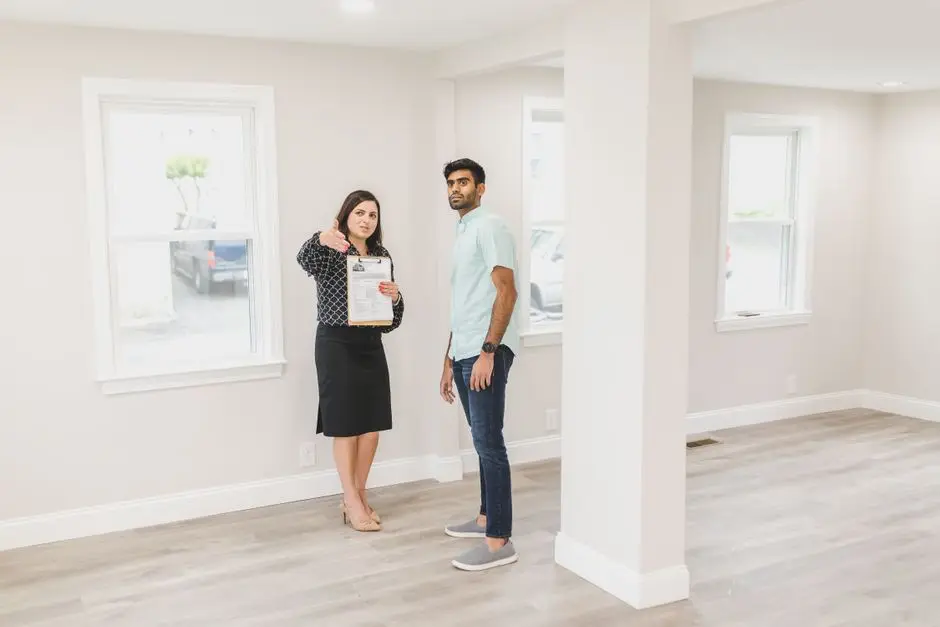
Photo by RDNE Stock project on Pexels
You Got the Accepted Offer. Now What?
Hearing that a seller has accepted your offer is one of the best feelings in the homebuying process. But in Ohio, the journey from accepted offer to keys in hand is a layered, deadline-driven process that typically takes 30 to 60 days. Each week brings a new task, a new document to sign, or a new professional to coordinate with. Miss a deadline or misunderstand a contingency, and you could lose your earnest money or the home entirely.
This guide walks you through exactly what happens during that critical window, with specific context for buyers in Cuyahoga County, Summit County, Stark County, Medina County, Portage County, and Wayne County.
Week One: Earnest Money, Attorney Review, and the Clock Starts Ticking
Within one to three business days of an accepted offer, you will typically be required to deliver your earnest money deposit to an escrow account. In Ohio, this is usually held by a title company or the listing brokerage. Earnest money amounts vary but commonly range from one to two percent of the purchase price. This deposit signals your serious intent to purchase and is applied toward your costs at closing.
Ohio uses attorneys in many real estate transactions, though it is not legally required. Buyers purchasing homes in Akron, Cleveland, or Canton often choose to have a real estate attorney review the purchase agreement, particularly when the transaction involves unusual contingencies, estate sales, or investment properties. Consulting a licensed attorney early in the process is always a sound step, even if the transaction seems straightforward.
Your purchase agreement will also specify key deadlines, such as the inspection period, appraisal contingency window, and financing contingency dates. Write these down. Missing any one of them can have real financial consequences.
The Home Inspection: Your Most Important Due Diligence Step
Ohio's housing stock varies considerably by county. In older urban areas like Cleveland or Akron, homes from the early 1900s are common. In suburban communities across Medina County or Portage County, mid-century ranch homes and newer builds may be on the same street. The age and construction type of the home you are purchasing will shape what your inspector focuses on most.
A licensed Ohio home inspector will typically evaluate the following:
- Foundation, basement, and crawl space for moisture intrusion or structural issues
- Roof condition, gutters, and flashing
- Electrical panels, wiring, and outlets
- Plumbing, water heater, and sump pump operation
- HVAC systems, including furnaces that work hard through Ohio winters
- Insulation and ventilation in attics
- Windows, doors, and exterior grading for water drainage
Ohio's climate, with its cold winters, freeze-thaw cycles, and humid summers, creates specific wear patterns on homes. Sump pumps, in particular, are critical in many Northeast and Northeast-Central Ohio basements. If the inspection reveals concerns, you have several options: request repairs, ask for a price reduction, negotiate a seller credit, or in some cases walk away under the inspection contingency.
Specialized inspections, such as radon testing, sewer scope, or mold testing, may be recommended based on the home's age, location, or what the general inspection uncovers. These cost extra but can save you from significant expenses later.
Securing Your Financing: From Pre-Approval to Clear to Close
If you are financing the purchase, the period after offer acceptance is when your mortgage application moves from pre-approval to full underwriting. As of November 2026, the average 30-year fixed mortgage rate was around 7.11 percent nationally, according to Freddie Mac. That figure is provided here for general context and is subject to change. For the most accurate rate and terms that apply to your specific situation, work directly with a licensed lender.
Your lender will request a full package of financial documents including W-2s, tax returns, pay stubs, bank statements, and information on any debts or assets. This is not the time to make large financial moves. Avoid opening new credit accounts, making large purchases, or changing jobs between offer acceptance and closing, as these actions can disrupt underwriting and potentially void your loan approval.
You can use our mortgage calculator and rates page to model different loan scenarios and understand how rate and loan amount interact with your monthly payment. These tools are for planning purposes only, and your actual terms will depend on your lender and financial profile.
Ohio buyers may also want to ask their lender about state-level assistance programs administered through the Ohio Housing Finance Agency (OHFA). These programs can offer down payment assistance or favorable rate options for qualifying buyers. Eligibility rules, income limits, and program amounts change periodically, so verify current details directly with OHFA or a participating lender.
The Appraisal: What It Means for Your Purchase
Your lender will order an independent appraisal to confirm the home's value supports the loan amount. If the appraised value comes in at or above the purchase price, the transaction moves forward. If it comes in below, you have a decision to make.
In a scenario where the appraisal is low, buyers and sellers have a few paths: the seller can reduce the price to match the appraised value, the buyer can make up the difference in cash (a strategy sometimes called an appraisal gap), or the two parties can negotiate a middle ground. If no agreement is reached and the purchase contract includes an appraisal contingency, the buyer can typically exit the transaction and recover their earnest money.
Appraisal timelines in Ohio can vary. In high-demand markets or areas where comparable sales are limited, such as parts of Wayne County or rural sections of Stark County, finding recent comparable sales can sometimes take appraisers additional time. Build a buffer into your mental timeline for this step.
Title Search and Title Insurance
A title company will conduct a search of public records to confirm that the seller has a clear and marketable title to the property. This process uncovers any outstanding liens, unpaid taxes, judgments, or ownership disputes that could affect your ability to legally own the home after closing.
Ohio title searches are thorough and typically examine decades of ownership history. Issues that surface, such as an old mechanic's lien or an improperly recorded deed from a previous sale, must be resolved before closing can proceed.
You will also be offered two types of title insurance: a lender's policy (usually required by your lender) and an owner's policy (optional but strongly recommended). An owner's title insurance policy protects you personally against future claims on the title. Given that it is a one-time cost paid at closing, most Ohio real estate professionals advise buyers to purchase it. Consult with your attorney or title company to understand exactly what each policy covers.
The Final Walk-Through
Typically scheduled within 24 hours before closing, the final walk-through is your opportunity to confirm that the home is in the same condition as when you made your offer, that any agreed-upon repairs were completed, and that no personal property intended to stay with the home has been removed.
Bring a copy of the purchase agreement and any repair addendums so you can verify each item. Test appliances, run faucets, check the HVAC, and walk through every room. If significant issues are discovered at the final walk-through, your agent can help you negotiate a resolution before you sign closing documents.
Closing Day: What to Expect at the Settlement Table
Closing in Ohio typically takes place at a title company office. You will sign a substantial stack of documents, review your Closing Disclosure (which outlines all final costs and loan terms), and pay your closing costs and down payment via certified funds or wire transfer.
Ohio closing costs for buyers generally include lender fees, title insurance, recording fees, prepaid homeowner's insurance, and prepaid property taxes held in escrow. Total costs vary based on the loan type and purchase price, but budgeting two to five percent of the purchase price for closing costs is a common rule of thumb. Confirm your specific costs with your lender and title company well before closing day, since your Closing Disclosure must be provided to you at least three business days before the scheduled closing.
Once all documents are signed and funds are transferred, the deed is recorded with the county recorder in the county where the property is located. In Ohio, counties such as Summit, Cuyahoga, and Stark each have their own recorder's offices and processes. After recording, you officially own the home.
Tips for a Smooth Ohio Closing Process
- Respond to your lender quickly. Underwriting requests for additional documents are time-sensitive. Delays in responding are one of the most common reasons closings get pushed back.
- Keep your finances stable. No new debt, large deposits without documentation, or major purchases until after the keys are in your hand.
- Read every document. Ask questions if something is unclear. Your agent and attorney are there to help you understand what you are signing.
- Plan for utility transfers. Schedule electric, gas, and water service transfers in your name for the day of closing. Ohio's winters can be unforgiving, and you do not want to be without heat in a home you just purchased.
- Know your county recording timeline. In some Ohio counties, same-day recording is standard. In others, it may take a day or two. Your title company will advise you on when you can expect to officially take possession.
Ready to Start Your Ohio Home Search?
Understanding the closing process before you even begin searching for homes gives you a significant advantage. When you know what to expect, you can move confidently and make decisions under pressure without second-guessing yourself. Whether you are exploring properties in Medina County, browsing listings in Summit County, or just beginning to think about homeownership, our team is here to guide you through every step. Search available Ohio homes to get a sense of the market, and visit our about page to learn more about working with a local expert who knows these communities well. For more helpful guides on the Ohio homebuying process, explore our blog.