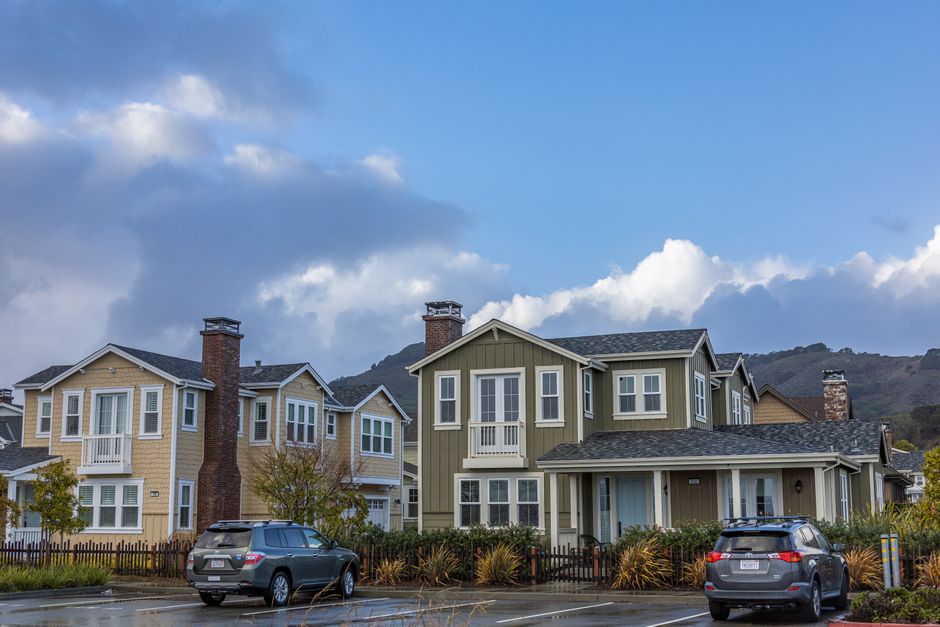

The Age-Old Debate: Vintage Charm vs Modern Efficiency
Ohio's housing market offers an exceptional range of properties, from historic brick homes built in the early 1900s to contemporary constructions featuring the latest in energy efficiency and smart home technology. With a median active price of $180,000 and properties averaging 80 days from listing to close, Ohio buyers have time to carefully consider their options between older and newer homes.
The decision between older and newer properties isn't just about personal preference - it involves practical considerations around construction quality, ongoing maintenance, utility costs, and long-term investment potential. Whether you're exploring the established neighborhoods of Cleveland or the growing communities in Medina County, understanding these differences will guide you toward the right choice.
Construction Quality: Built to Last vs Built to Code
Ohio's older homes, particularly those constructed between 1900-1950, often showcase superior craftsmanship and materials that are difficult to replicate today. These properties frequently feature solid hardwood flooring, plaster walls, and heavy timber framing that has withstood decades of Ohio's varying climate conditions.
In areas like Summit County and Stark County, many pre-war homes were built with old-growth lumber, which offers greater density and stability than today's fast-growth timber. The masonry work in older homes often includes hand-laid brick and stone foundations that, when properly maintained, can outlast modern concrete alternatives.
Modern Construction Advantages
Newer homes built after 1980 typically incorporate advanced building techniques and materials designed for efficiency and safety. Modern construction in Ohio follows updated building codes that address seismic considerations, energy efficiency standards, and improved electrical and plumbing systems.
Contemporary homes feature engineered lumber, advanced insulation systems, and modern HVAC designs that significantly reduce energy consumption. In Portage County and Wayne County, newly constructed homes often include energy-efficient windows, programmable thermostats, and improved ventilation systems that older homes lack.
Structural Considerations
Older homes may present structural challenges that require attention. Foundation settling, outdated electrical systems, and aging plumbing are common issues in properties built before modern building standards. However, many of these homes have already undergone necessary updates, and their longevity proves their structural soundness.
Newer construction eliminates many of these concerns but may use lighter-weight materials that, while meeting current codes, may not match the substantial feel of older construction. The trade-off often comes down to immediate move-in readiness versus long-term character and potential renovation opportunities.
Maintenance Requirements and Ongoing Costs
Maintenance needs vary significantly between older and newer homes, affecting both your time investment and ongoing expenses. Understanding these differences helps you budget appropriately and plan for future home ownership costs.
Older Home Maintenance Realities
Homes built before 1980 typically require more frequent maintenance attention. Original hardwood floors may need refinishing every 5-7 years, historic windows might require restoration, and older heating systems often need annual service to maintain efficiency.
In Cuyahoga County, many older homes feature unique architectural elements like decorative trim, original built-ins, and period fixtures that require specialized maintenance. While these features add character and value, they also demand careful upkeep and occasionally costly restoration.
Plumbing and electrical systems in older homes often need updating to meet current safety standards and accommodate modern electrical loads. Budget for these major upgrades when considering an older property.
Newer Home Maintenance Advantages
Modern homes typically come with warranty coverage for major systems and appliances, reducing immediate maintenance concerns. Contemporary materials like vinyl siding, composite decking, and modern roofing materials require less frequent attention than traditional alternatives.
Energy-efficient systems in newer homes often include programmable features that optimize performance and reduce wear. However, some modern materials and systems may have shorter lifespans than traditional alternatives, requiring replacement sooner than expected.
Long-term Maintenance Planning
Regardless of age, successful home ownership requires proactive maintenance planning. Older homes benefit from regular inspections of foundational systems, while newer homes need attention to warranty schedules and system optimization.
Consider setting aside 1-3% of your home's value annually for maintenance, with older homes typically requiring the higher end of this range. This planning helps you maintain your investment and avoid unexpected major expenses.
Energy Efficiency and Utility Costs
Ohio's climate demands efficient heating and cooling systems, making energy performance a crucial consideration when choosing between older and newer homes. The difference in utility costs can significantly impact your monthly budget and long-term expenses.
Insulation and Air Sealing
Newer homes built after 1990 typically include comprehensive insulation systems and advanced air sealing techniques that dramatically reduce energy loss. These homes often feature insulated foundations, energy-efficient windows, and continuous insulation barriers that older homes lack.
Older homes can be updated with modern insulation and air sealing, but this often requires significant investment. However, the potential energy savings and improved comfort can justify these upgrades, particularly in Ohio's variable climate.
HVAC System Efficiency
Modern heating and cooling systems achieve efficiency ratings that were unavailable when older homes were built. High-efficiency furnaces and air conditioning systems can reduce utility costs by 20-40% compared to older equipment.
Many older homes in areas like Akron have been updated with modern HVAC systems, combining the character of older construction with contemporary efficiency. When evaluating older homes, check for recent system upgrades and energy efficiency improvements.
Market Value and Investment Potential
Both older and newer homes offer distinct investment advantages, but their value propositions differ significantly. Understanding these differences helps you align your purchase with your long-term financial goals.
Appreciation Patterns
Older homes in established neighborhoods often show steady appreciation based on location desirability and architectural character. Properties in historic districts or areas with distinctive architectural styles may appreciate faster than average due to their unique appeal.
Newer homes typically appreciate based on modern amenities and energy efficiency, but may face competition from even newer construction over time. The key is purchasing in areas with strong fundamentals regardless of home age.
Renovation Potential
Older homes often offer excellent renovation potential, allowing you to customize spaces while preserving character features. Many buyers find satisfaction in restoring period details while adding modern conveniences.
Newer homes may offer less renovation potential but provide immediate enjoyment without major improvement projects. Consider your personal preferences for DIY projects and renovation when making this decision.
Financing Considerations
With current mortgage rates averaging 6.53%, financing becomes a crucial factor in your decision. Some older homes may qualify for renovation loans that allow you to finance improvements along with your purchase, while newer homes typically qualify for conventional financing without complications.
Explore mortgage options early in your search process to understand how property age might affect your financing opportunities and costs.
Making the Right Choice for Your Situation
The decision between older and newer homes ultimately depends on your personal priorities, budget, and long-term goals. Consider these factors as you evaluate your options:
Lifestyle Preferences
Do you prefer the character and craftsmanship of older homes, or do you value the convenience and efficiency of newer construction? Your personal preferences should guide your decision, as you'll be living with this choice for years to come.
Budget Considerations
Factor in both purchase price and ongoing costs when comparing options. A lower-priced older home might require significant updates, while a higher-priced newer home could offer lower maintenance costs over time.
Time and Skills
Consider your available time for home maintenance and your comfort level with home improvement projects. Older homes often reward hands-on owners, while newer homes suit buyers who prefer minimal maintenance involvement.
Regional Considerations in Ohio
Ohio's diverse regions offer different opportunities for both older and newer homes. Canton and surrounding areas feature many well-maintained older homes with recent updates, while growing suburban areas often showcase newer construction with modern amenities.
When exploring different communities throughout Ohio, consider how local market conditions affect the value proposition of older versus newer homes. Some areas strongly favor historic properties, while others prioritize modern efficiency and amenities.
Research local market trends and recent sales data to understand how different property ages perform in your target area. This information helps you make an informed decision aligned with both your preferences and investment goals.
Ready to Explore Ohio's Housing Options?
Whether you're drawn to the character of older homes or the efficiency of newer construction, Ohio's diverse housing market offers excellent opportunities for every preference and budget. With 10,730 active listings currently available and properties moving from listing to close in an average of 80 days, now is an excellent time to explore your options.
Start your search by browsing available properties in your preferred areas, or connect with our experienced team to discuss how older versus newer homes align with your specific goals and budget. Our local expertise in Cuyahoga, Medina, Portage, Stark, Summit, and Wayne counties ensures you'll receive guidance tailored to your target market.
Contact us today to begin exploring Ohio's exceptional housing opportunities and find the perfect home for your next chapter, whether that's a charming older property with character or a modern home with the latest amenities.