
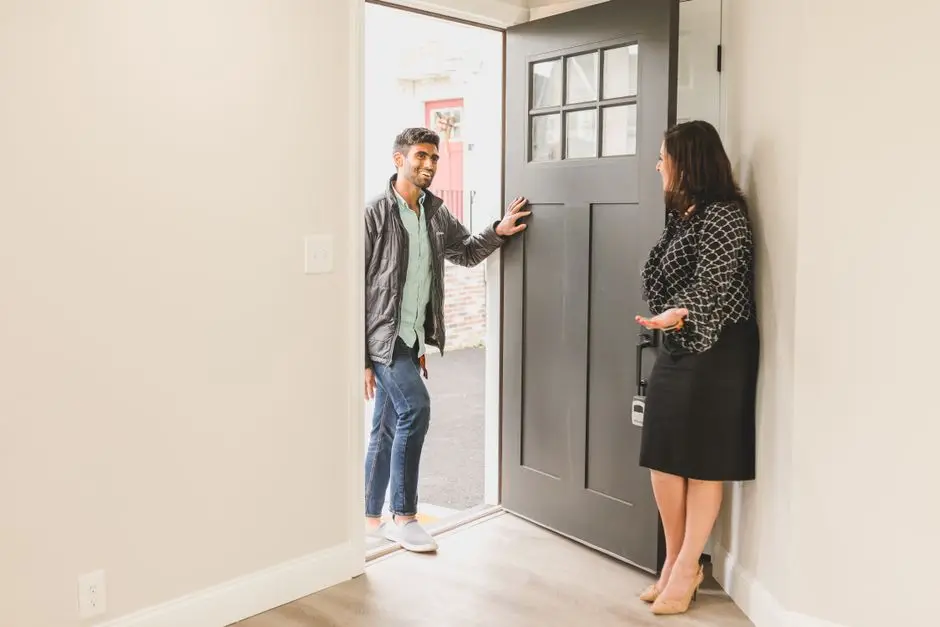
Photo by RDNE Stock project on Pexels
Why Asking the Right Questions Before an Offer Matters in Ohio
Ohio's housing market offers real opportunities for buyers. With a median active listing price of $190,000 (well below the national median of $410,700, second quarter of 2026 data), the state remains one of the more accessible markets in the country. As of August 2026, there are over 12,600 active listings across Ohio, and homes are averaging about 73 days from listing to close. That gives buyers a bit more breathing room than markets in other parts of the country, but it does not mean you should skip your due diligence.
Whether you are browsing properties in Cuyahoga County, exploring neighborhoods in Summit County, or considering a move to Medina County, the questions you ask before making an offer will shape every step that follows. Here is what you need to know.
Questions About the Property's History and Condition
How Long Has the Home Been on the Market?
This is one of the first things to find out. A home that has been sitting for 60 or 90 days without an offer may have underlying issues, or it may simply be overpriced. In Ohio's market as of August 2026, the average days listed to close is 73 days, so a listing that has stretched well beyond that window deserves a closer look. Ask your agent to pull the listing history, including any prior price reductions.
Has the Home Had Any Major Repairs or Renovations?
Ohio's housing stock includes many older homes, particularly in cities like Cleveland, Akron, and Canton. Older homes can be full of character and solid construction, but they can also carry deferred maintenance. Ask the seller to disclose any known repairs to the roof, foundation, HVAC systems, plumbing, or electrical. Ohio law requires sellers to complete a Residential Property Disclosure Form, so review it carefully with your agent.
When Were the Major Systems Last Replaced?
The lifespan of a home's major systems matters for your budget. Ask about the age of the roof, furnace, water heater, and air conditioning unit. A furnace that is 20 years old in a Portage County home may work fine today, but replacing it within the next few years will be your responsibility as the new owner. Factor those potential costs into your offer price and financial planning.
Are There Any Known Water Intrusion or Foundation Issues?
Ohio's clay-heavy soils in counties like Stark and Wayne can shift seasonally, which sometimes puts pressure on foundations. Water intrusion in basements is also a common issue across the state. Ask directly about any history of flooding, sump pump use, or foundation repairs. Even if the seller has addressed a past issue, understanding the full history helps you make an informed decision and prepares you for what to watch for during your inspection.
What Environmental Conditions Should I Ask About?
Ohio's industrial and agricultural history means some parcels carry conditions worth checking before you commit. Underground storage tanks on older rural properties, radon (common enough across the state that testing is routine), and lead paint in anything built before 1978 are all worth raising. Ask the seller directly what they know, then verify with the appropriate inspection rather than relying on the disclosure alone.
Was the Work Permitted?
A finished basement, an added bathroom, or a converted garage should have a permit history at the local building department. Unpermitted work is not automatically a dealbreaker, but it can complicate your insurance, your appraisal, and your own resale later. Ask for the permits, and if they do not exist, factor the risk into your offer rather than discovering it years on.
Questions About the Financial Picture
What Is the Seller's Motivation for Selling?
Understanding why someone is selling can inform your negotiating strategy. A seller who has already purchased another home may be more motivated to close quickly and accept a lower offer or additional concessions. On the other hand, a seller with no timeline pressure may hold firm on price. Your agent can often gather useful context by speaking with the listing agent directly.
Are There Any Outstanding Liens or Title Issues?
Before closing on any Ohio property, a title search will be conducted, but it is smart to ask upfront. Unpaid property taxes, contractor liens, or unresolved estate claims can complicate or delay a closing. In some cases, they can derail a deal entirely. Ask your agent or real estate attorney whether any known title issues exist before you invest time and money into inspections and appraisals.
What Do Property Taxes Look Like?
Ohio property taxes vary considerably by county and even by municipality. Taxes in parts of Cuyahoga County can run higher than in more rural areas of Medina or Wayne County. Ask for the current annual tax bill and check whether any tax exemptions (such as homestead exemptions) currently applied to the property will transfer to you as the new owner. This figure directly affects your monthly housing costs, so it belongs in your budget calculation from day one. You can also use our mortgage calculator to model different payment scenarios based on the full carrying cost of a home.
What Are the Total Monthly Costs, Not Just the Payment?
Principal and interest is the number buyers anchor on, and it is rarely the number that strains a budget. Add property taxes, homeowner's insurance, any HOA dues, and a realistic utility estimate for the actual house. An older home with original windows and a 1970s furnace costs meaningfully more to heat through an Ohio winter than a recent build, and that gap does not appear anywhere in the listing.
What Actually Conveys with the Sale?
Appliances, window treatments, mounted televisions, playsets, and shed contents are all negotiable and all regularly assumed. Get it in the contract. A washer and dryer the buyer expected and the seller took is a small dispute that sours a closing for no reason.
Questions About the Neighborhood and Market Context
What Have Comparable Homes Sold for Recently?
Before making an offer, your agent should provide a comparative market analysis (CMA) showing recent sales of similar properties in the area. This helps you determine whether the asking price is in line with the market. With nearly 4,800 homes closing across Ohio each month, there is usually enough comparable data to build a solid picture. If you are thinking about selling a current home to fund your purchase, you can also get an estimated value using our home value estimator.
What Is the HOA Situation, If Any?
Some Ohio communities, particularly newer developments in Medina County and Summit County, include homeowner associations. Ask about monthly or annual HOA fees, any special assessments, and what the HOA rules cover. Review the HOA documents carefully, as restrictions on rentals, exterior modifications, or pet policies can have a significant impact on how you use the property.
What Are the Zoning and Land Use Rules?
This question is especially relevant for buyers considering properties in Wayne County or more rural parts of Portage County who may have plans to add a structure, run a home-based business, or use the land for agriculture. Zoning rules differ by municipality, and what you intend to do with a property needs to align with what is legally permitted. Your agent or a local real estate attorney can help you verify permitted uses before you commit.
Questions About the Offer Itself
What Contingencies Should Be Included?
Contingencies protect you. The most common in Ohio transactions include the inspection contingency, the financing contingency, and the appraisal contingency. In a market where homes are spending an average of 73 days to close, sellers are generally not in a position to demand that buyers waive all protections. Talk with your agent about which contingencies make sense for your specific situation and risk tolerance. Removing contingencies can make an offer more competitive, but it also transfers risk to you.
What Is a Realistic Timeline for Closing?
With 30-year fixed mortgage rates averaging at 6.66 percent as of August 2026 (illustrative and subject to change, not a guaranteed rate), lender timelines can vary. Ask your lender how long they need to process your loan and coordinate your closing date accordingly. If you need a specific timeline for work, a lease end date, or another life event, communicate that clearly in your offer. Sellers often value a smooth, predictable closing as much as they value a high price.
How Much Earnest Money Is Appropriate?
Earnest money signals your seriousness as a buyer. In Ohio, the amount typically ranges from one to three percent of the purchase price, but it can vary by market conditions and local norms. Discuss this with your agent before submitting your offer. A well-structured offer with appropriate earnest money and clear contingencies is often more compelling to a seller than a higher price with messy terms.
Work With a Local Expert Who Knows Ohio
There is no substitute for working with an agent who understands the specific dynamics of the Ohio counties where you are searching. The market in Stark County behaves differently from the market in Cuyahoga County, and the details that matter in one county may not matter as much in another. A knowledgeable local agent will help you ask all the right questions and interpret the answers in context.
Ready to start your search? Browse current listings across Ohio on our property search page or learn more about our team and the communities we serve. When you are ready to move forward, we are here to guide you every step of the way, from your first question to the moment you receive your keys.