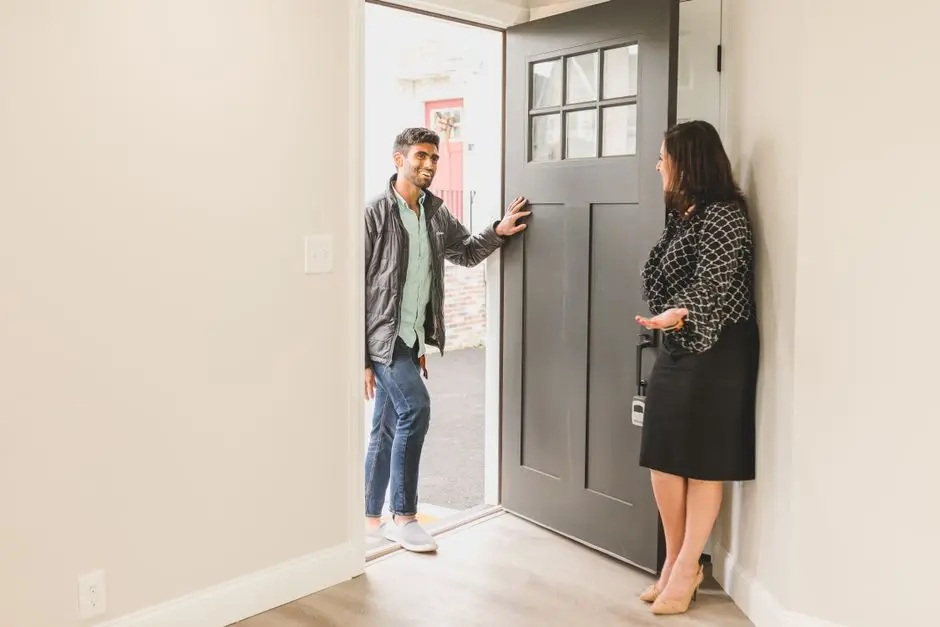

Photo by RDNE Stock project on Pexels
Why Buying and Selling at the Same Time Is Uniquely Challenging in Ohio
If you own a home in Cuyahoga County, Summit County, Stark County, Medina County, Portage County, or Wayne County and you need to move, the odds are high that you need the equity from your current home to fund the next one. That is the central tension of the simultaneous buy-sell transaction: you are trying to close two complex deals, each with its own timeline, inspections, appraisals, and lender requirements, without one derailing the other.
Nationally, the median home sales price reached $410,700 as of the second quarter of 2026, and the average 30-year fixed mortgage rate stood at 7.32 percent as of October 2026. Both figures shape Ohio homeowners' decisions significantly. When your existing home carries a lower-rate mortgage, the financial stakes of timing your move correctly become even higher.
Ohio's market adds its own layer of complexity. Activity levels and absorption rates vary meaningfully between a walkable urban neighborhood in Akron and a rural township in Wayne County. What works as a timing strategy in one area may not translate to another. That local nuance is exactly why a coordinated approach matters so much.
Your Three Core Strategic Paths
1. Sell First, Then Buy
Selling before you buy eliminates the financial risk of carrying two mortgages at once. Once your current home closes, you know exactly how much equity you have available, which makes your next purchase offer cleaner and your lender's underwriting more straightforward.
The tradeoff is housing continuity. If your home sells quickly, you may need temporary housing between closings. In areas like Canton or Massillon in Stark County, short-term rental inventory is limited, so plan for this possibility well in advance. Some sellers negotiate a rent-back agreement with their buyer, allowing them to stay in the home for 30 to 60 days after closing while they finalize their purchase. This keeps the move consolidated and reduces the pressure of finding interim housing.
2. Buy First, Then Sell
Buying before your current home sells lets you move on your preferred timeline and avoid the scramble of finding a new home under deadline pressure. The challenge is qualification. Most lenders will count your existing mortgage payment as a liability when calculating your debt-to-income ratio for the new loan, which can make it harder to qualify for the purchase loan at rates that are meaningful to your budget. Consult a licensed lender directly to understand how your specific financial profile is evaluated. Our mortgage calculator can help you model different scenarios before that conversation.
Buyers who go this route often use a bridge loan or a home equity line of credit (HELOC) to cover the down payment on the new home while their current home is still on the market. These are short-term financing tools with their own costs and terms, and they are not right for everyone. A licensed lender can walk you through whether the math works for your situation.
3. Coordinate Simultaneous Closings
When timed correctly, a simultaneous or "back-to-back" closing uses the proceeds from your sale to fund your purchase, often on the same day or within days of each other. This is the most elegant solution on paper and the most dependent on everything going right in practice.
Coordination requires both transactions to align on closing dates, which means negotiating that flexibility with both your buyer and your seller. Your real estate agent plays a critical role here, acting almost as a project manager across two separate transaction teams. Contingency clauses, title company scheduling, and lender timelines all have to mesh.
Understanding the Ohio-Specific Landscape
Contingency Offers in Ohio Markets
A home sale contingency lets you make an offer on a new home with the condition that your current home must sell first. In markets with less competition, sellers may accept this kind of contingency. In more active areas, a contingent offer can put you at a disadvantage compared to buyers who have already sold or do not need to sell to buy.
In parts of Cleveland, Parma, and Lakewood, buyer competition for well-priced, move-in-ready homes can make contingency offers difficult to get accepted. On the other hand, in parts of Wayne County or rural areas within Medina County, sellers may have more flexibility to entertain a contingency. Knowing which environment you are operating in is one of the most valuable things a local agent can tell you.
Equity and the Pricing Gap
Ohio home values are generally lower than the national median, which means many Ohio homeowners have built meaningful equity but may face a larger financing gap when purchasing in a price range above their current home. Understanding your net proceeds, what you will clear after paying off your mortgage, covering closing costs, and making any repairs, gives you a realistic picture of your actual purchasing power. Our home value estimator can give you a starting point for that calculation.
The Role of Closing Costs
Ohio sellers typically pay agent commissions, transfer taxes, prorated property taxes, and other closing costs that reduce net proceeds. Ohio's conveyance fee is generally charged per parcel at a rate set by the county auditor, and it varies by county. Buyers also carry closing costs including lender fees, title insurance, and prepaid items. Both sets of costs need to factor into your financial modeling before you commit to a purchase price range.
General information in this article is not legal, tax, or financial advice. Consult a licensed attorney, CPA, or financial advisor for guidance specific to your situation.
Bridge Loans and HELOCs: What Ohio Buyers Should Know
Two financing tools come up repeatedly in simultaneous transactions: bridge loans and home equity lines of credit.
- Bridge loans are short-term loans secured by your current home. They give you cash to use as a down payment on the new home before your sale closes. They typically carry higher interest rates than a standard mortgage and have short repayment windows, often six to twelve months. Not all lenders offer them, and terms vary widely.
- HELOCs let you draw against your existing home's equity as a revolving line of credit. If your current home has significant equity and you have not already used this tool, it can serve a similar function as a bridge loan but with potentially more flexibility. The catch is that most lenders freeze or reduce a HELOC once a home is listed for sale, so timing is important.
Both options have costs and risks. Talk with a licensed lender before assuming either tool is available or appropriate for your circumstances. Program availability, qualification requirements, and current terms all change. Verify specifics directly with lending institutions serving Ohio borrowers.
Practical Steps to Manage Both Transactions
- Get a realistic home valuation early. Before you start shopping, understand what your current home is likely to sell for in today's conditions. Use our home value estimator as a starting point, then follow up with a comparative market analysis from a local agent who knows your specific area.
- Get pre-approved, not just pre-qualified. A full pre-approval gives you a clear picture of what you can borrow and signals to sellers that you are a serious buyer. Be transparent with your lender about the fact that you also have a home to sell.
- Align your timelines on paper before you act. Map out the realistic number of days your current home might take to go under contract, the typical time to close, and what that means for when you need to start shopping. Build in buffer for delays.
- Negotiate closing date flexibility on both sides. When you list your home, be clear with your agent that you need to coordinate with a purchase. When you make an offer on a new home, discuss closing date flexibility early rather than late.
- Have a contingency plan for housing. Identify short-term rental options, extended-stay accommodations, or family arrangements before you need them. In markets like Akron or Cleveland Heights, extended-stay options exist but availability varies. Knowing your backup options in advance removes a major stress point.
- Use one title company for both closings when possible. Having a single title company handle both transactions can simplify communication, reduce errors, and make a same-day or back-to-back closing more manageable.
A Note on Market Conditions and Timing
National housing starts came in at approximately 1,221,000 units on a seasonally adjusted annual rate basis as of September 2026, and building permits were running at roughly 1,400,000 units at the same point. Both figures are well below historical norms that would indicate a balanced market between new supply and buyer demand. That broader supply context affects Ohio as well, though local conditions in specific counties and cities vary.
The broader point for Ohio homeowners planning a simultaneous transaction is this: do not assume market conditions will stay the same between the time you start planning and the time you close. Work with a local agent who tracks activity in your specific target area. Browse available listings across the region in communities like Medina County and Portage County to get a realistic sense of what is available in your price range before you commit to a strategy. Our property search is a good place to start that process.
Work With Someone Who Knows These Markets
The buy-sell coordination challenge is manageable, but it rewards preparation and punishes improvisation. The homeowners who navigate it most smoothly are the ones who started planning early, worked with a licensed lender before they needed one, and had a local agent who could honestly assess both the sale timeline and the purchase options available to them.
If you are considering this kind of move in Cuyahoga, Medina, Portage, Stark, Summit, or Wayne County, connecting with an agent who specializes in these specific markets makes a measurable difference. Visit our about page to learn more about how we work with buyers and sellers across Northeast and Central Ohio, and reach out when you are ready to build a plan that works for your timeline and your goals.