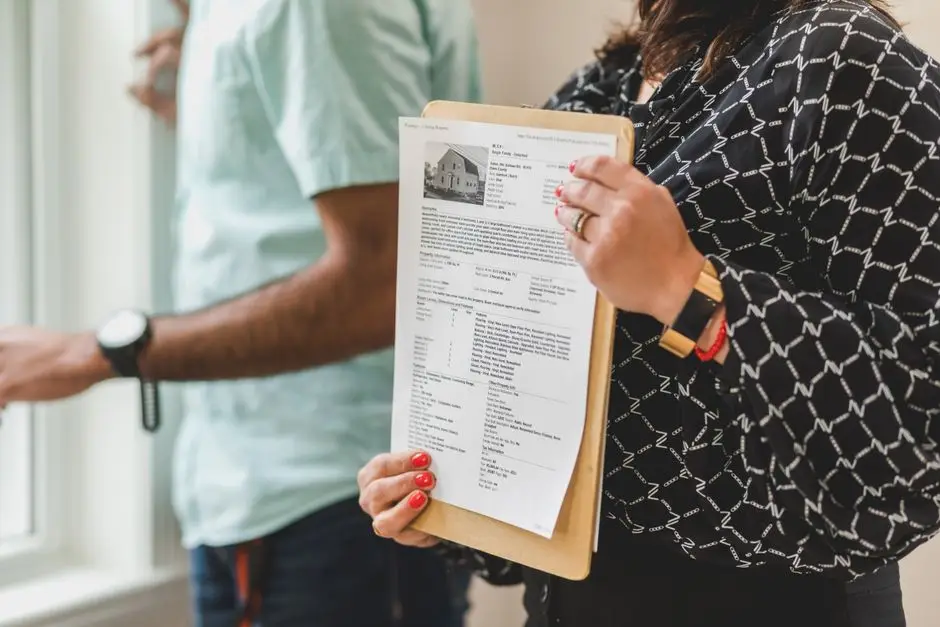

Photo by Pavel Danilyuk on Pexels
Why Appraisals Have Become a Flashpoint in Ohio Real Estate
In Ohio's real estate market, the appraisal process has moved from a routine step to one of the most consequential moments in any transaction. Across counties like Cuyahoga, Summit, Stark, Medina, Portage, and Wayne, both buyers and sellers are finding that what a home sells for and what an appraiser says it is worth are not always the same number. That gap, when it appears, can unravel contracts, delay closings, and force difficult conversations between everyone at the table.
With the average 30-year fixed mortgage rate sitting at approximately 7.24 percent as of October 2026, affordability pressure is already weighing on buyers. When an appraisal comes in below the agreed purchase price, it compounds those pressures significantly. Understanding why this happens, and how to respond strategically, is essential for anyone participating in the Ohio market right now.
What an Appraisal Actually Does (and Does Not Do)
A licensed appraiser's job is to deliver an independent, unbiased opinion of a property's market value. Lenders require this opinion before approving a mortgage because they need to know the collateral supporting the loan is worth what they are lending. The appraiser is not there to confirm the purchase price; they are there to determine fair market value based on comparable sales, the property's condition, and local market data.
This distinction matters enormously. In markets where buyer demand has pushed sale prices above what recent comparable sales can fully support, appraisals can come in below contract price. This is called an appraisal gap, and it puts the transaction at a crossroads. The buyer's lender will typically only loan against the appraised value, not the contract price, meaning the buyer must cover the difference out of pocket, renegotiate with the seller, or walk away.
The Ohio-Specific Dynamics at Play
Ohio's real estate landscape is diverse, and appraisal challenges do not look the same across every market. In urban cores like Cleveland and Akron, appraisers must navigate older housing stock, rapid neighborhood shifts, and sometimes limited comparable sales in certain price ranges. In suburban markets across Medina County and Portage County, strong buyer activity has pushed prices higher than the most recent sales data might reflect, creating a lag between market momentum and appraised values.
In markets like Canton and Massillon in Stark County, where price points are more moderate compared to Northeast Ohio's larger metros, appraisal gaps do appear but buyers sometimes have more flexibility to negotiate because the dollar amounts involved are lower. However, that does not make the process less stressful; it simply changes the math of the conversation.
Rural and semi-rural areas within Wayne County, which includes communities like Wooster, present their own appraisal challenges. Fewer comparable sales, unique property features such as acreage or agricultural outbuildings, and longer market times can all complicate the appraiser's analysis. When comps are scarce, appraisers must make larger adjustments, which introduces more variability into the final opinion of value.
The National Context: Why Prices and Appraisals Diverge
The national median home sales price was $393,300 as of the third quarter of 2026, according to widely reported market data. That figure reflects years of appreciation driven by low inventory, high demand, and the kind of competitive bidding that pushes accepted offers above list price. Appraisers, however, rely on closed sales data, which by definition looks backward. In a market where values are moving quickly, the most recent closed sale may already be outdated by the time an appraiser uses it as a comparable.
Housing starts across the country ran at a seasonally adjusted annual rate of approximately 1.221 million units in September 2026, with building permits running at about 1.4 million units during the same period. Those figures suggest new construction is still coming online, but supply additions take time to translate into meaningful relief on pricing. In the interim, existing home sales remain competitive, and appraisal gaps remain a live concern for buyers and sellers alike. Mortgage rate and affordability guidance should always be confirmed with a licensed lender, as individual circumstances vary widely.
How Appraisal Gaps Are Affecting Buyers Across Ohio
For buyers in markets like Cleveland, Akron, and their surrounding suburbs, appraisal gaps have become a line item they need to plan for. Some buyers are including appraisal gap coverage clauses in their offers, committing in writing to cover a specified dollar amount above appraised value if a gap occurs. This signals strength to sellers, but it also means buyers must have those extra funds readily available at closing.
Here are the primary options available to a buyer when an appraisal comes in low:
- Cover the gap in cash. If the buyer has additional reserves, they can pay the difference between the appraised value and the purchase price out of pocket at closing.
- Renegotiate the purchase price. The buyer can formally request that the seller reduce the purchase price to the appraised value. Sellers are not obligated to agree, but many do rather than risk losing the deal.
- Split the difference. Both parties compromise by meeting somewhere between the appraised value and the original contract price.
- Request a reconsideration of value (ROV). If the buyer or their agent believes the appraiser missed relevant comparable sales or made errors, they can submit a formal reconsideration request through the lender with supporting data.
- Walk away. If the buyer's contract includes an appraisal contingency, they can typically exit the transaction without forfeiting their earnest money deposit if the appraisal does not meet the purchase price.
You can explore financing tools and run payment scenarios at our mortgage calculator to understand how different loan amounts affect your monthly costs before you make an offer.
What Sellers Need to Know About Appraisals
Sellers in Cuyahoga County and across Northeast Ohio sometimes make the mistake of thinking an accepted offer is a done deal. Appraisals are one of several hurdles that can still derail a transaction after a contract is signed. A proactive seller's strategy includes preparing for the appraisal just as carefully as preparing for showings.
Steps Sellers Can Take Before the Appraiser Arrives
- Compile a list of recent upgrades and improvements. Provide the appraiser with a written summary of renovations, system replacements (HVAC, roof, windows), and other capital improvements with approximate dates and costs.
- Make the property accessible and presentable. Appraisers form impressions of condition, and a clean, well-maintained home signals that it has been cared for.
- Provide your agent's comparable sales analysis. Your listing agent can prepare a package of relevant closed sales to leave for the appraiser. Appraisers are not obligated to use them, but they cannot use data they do not have.
- Point out features that may not be obvious. Updated electrical panels, newer plumbing, and other infrastructure improvements are easy to overlook in a visual inspection but add real value.
If you are thinking about listing your home, get a sense of your property's value with our home value estimator before the formal appraisal process begins. Understanding where you stand helps you price strategically from the start.
The Reconsideration of Value Process in Ohio
Ohio buyers and their agents have become more sophisticated about challenging appraisals they believe are inaccurate. The reconsideration of value process allows a borrower, through their lender, to formally ask the appraiser to review their opinion of value in light of additional evidence. This is not a pressure campaign; it is a factual submission of comparable sales that the appraiser may not have considered or may have underweighted.
A strong ROV package includes closed sales that are more recent, more geographically proximate, or more similar in condition and features than the comps the appraiser originally selected. It also includes a clear written explanation of why each submitted comparable is relevant. Working with an experienced local agent who knows the Ohio markets you are buying in gives you the best chance of assembling a compelling ROV package quickly, because speed matters when a closing timeline is at stake.
An appraisal gap does not have to end a transaction. With the right preparation and a knowledgeable agent on your side, most appraisal challenges in Ohio can be resolved before they become deal-breakers.
Investor Considerations: Appraisals on Non-Owner-Occupied Properties
Real estate investors active in Ohio markets, including those targeting properties in Stark County, Summit County, and Portage County, face a distinct appraisal landscape. Investment property appraisals often involve income approach methodologies alongside sales comparison approaches, meaning an appraiser may also weigh the property's rental income potential when forming an opinion of value.
For investors using conventional financing, appraisal gaps carry the same structural consequences as they do for owner-occupants. Cash investors, by contrast, are not subject to lender appraisal requirements at all, which is one reason cash offers are viewed favorably by sellers in competitive situations. However, cash buyers are still wise to order their own independent appraisal as due diligence, particularly in markets with limited comparable sales data. Consulting a licensed financial advisor or tax professional before making investment decisions is always recommended, as investment real estate carries tax and legal implications that vary by situation.
Browsing Homes and Getting Ready to Move Forward
The appraisal process is one part of a larger transaction picture. Whether you are a first-time buyer in Medina County, a move-up buyer in Cuyahoga County, or an investor evaluating opportunities in Wayne County, having the right guidance from contract to closing makes a real difference. You can browse available listings across all of these Ohio communities on our property search page to get a feel for where the market stands before you make your move.
Appraisals will continue to be a key factor in Ohio transactions as long as there is meaningful distance between supply and demand. Buyers who plan for appraisal gaps, sellers who prepare their properties thoughtfully, and investors who conduct thorough due diligence are best positioned to reach closing without costly surprises. Our team serves buyers and sellers throughout Cuyahoga, Medina, Portage, Stark, Summit, and Wayne counties, and we are ready to walk you through every step of the process. Visit our about page to learn more about our local expertise, or reach out today to start a conversation about your real estate goals in Ohio.