
Why Housing Inventory Is the Number Every Ohio Buyer Should Watch
When people talk about a hot or slow real estate market, they are almost always describing inventory. Inventory is simply the number of homes available for sale at any given moment, and it acts as the foundation beneath every other market metric you hear about: prices, days on market, offer competition, and even mortgage demand. For buyers shopping in Cuyahoga County, Summit County, Stark County, Medina County, Portage County, or Wayne County, knowing how to read inventory data is one of the most practical skills you can develop before submitting your first offer.
The good news is that the data is more accessible than ever, and once you understand a few key figures, you can quickly gauge what kind of market you are walking into.
Ohio Inventory Snapshot: September 2026
As of September 2026, Ohio had 12,722 active listings statewide, with a median active listing price of $194,700. Over the most recent 30-day period, 4,462 homes closed, and the average time from listing to close over the prior 90 days was 73 days. To put those figures in broader context, the national median home sales price as of September 2026 was $410,700 (second quarter of 2026 data), meaning Ohio's median active price is well below the national figure, which continues to make Ohio an attractive market for buyers pricing themselves out of coastal metros.
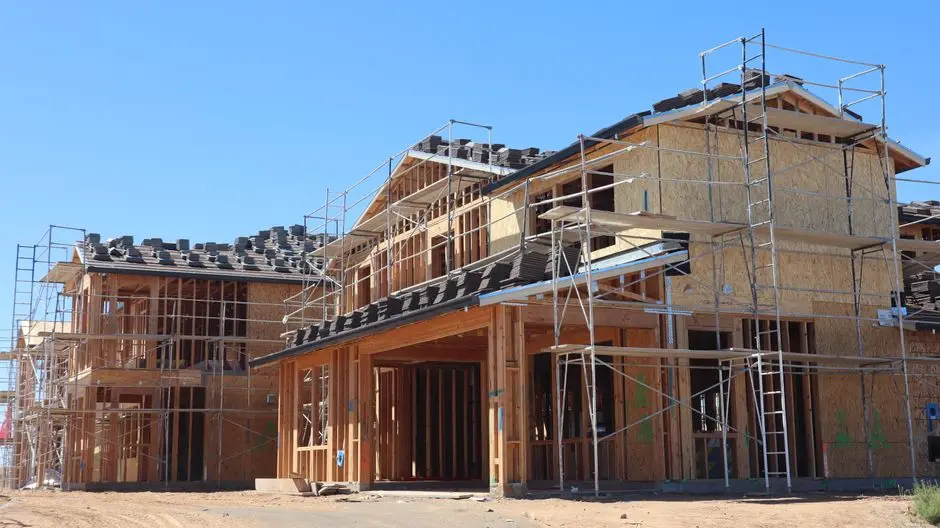
On the national level, housing starts as of September 2026 came in at approximately 1.239 million units (annualized), with building permits at roughly 1.443 million (both July 2026 data). When permits outpace starts, as they did in September 2026, it signals that new construction is in the pipeline, which can gradually add relief to tight inventory in coming months. That is worth watching, especially in the growth corridors around Akron and Canton.
How to Interpret Months of Supply
One of the most useful ways to contextualize raw inventory numbers is to calculate months of supply. The formula is straightforward: divide the number of active listings by the average number of homes sold per month. If Ohio closed 4,462 homes in one month and had 12,722 active listings, that works out to roughly 2.85 months of supply as of September 2026.
- Under 3 months: Seller's market. Buyers face competition, limited choices, and upward price pressure.
- 3 to 6 months: Balanced market. Neither buyers nor sellers hold a significant structural advantage.
- Over 6 months: Buyer's market. Buyers have more negotiating leverage and more time to make decisions.
Ohio's September 2026 figure of roughly 2.85 months places the statewide market firmly in seller's territory, though conditions vary meaningfully from one county to the next. A buyer searching in a dense urban area like Cleveland may experience a very different pace than one browsing listings in rural Wayne County or the outskirts of Medina.
What Low Inventory Means in Practice for Buyers
When supply is tight relative to demand, buyers feel the effects in several concrete ways. Understanding them ahead of time helps you prepare rather than react.
Faster Decision-Making Is Required
With an average of 73 days from listing to close as of September 2026, the clock is ticking from the moment a home hits the market. That 73-day figure includes the entire transaction timeline, meaning the window for scheduling showings and submitting an offer is considerably shorter. In high-demand zip codes near Akron or Canton, well-priced homes in good condition may receive offers within days of listing. Getting pre-approved for a mortgage before you start touring homes is not optional in this environment; it is essential.
Pricing Expectations Must Be Realistic
Ohio's median active listing price of $194,700 as of September 2026 is competitive by national standards, but low inventory can push actual sale prices above list price in sought-after areas. Buyers who anchor their expectations to list price alone can be caught off guard. Ask your agent for a comparative market analysis before making any offer, and use a tool like our mortgage calculator to model different price scenarios and see how they affect your monthly payment at prevailing rate levels.
Contingency Negotiations Shift
In a low-inventory environment, sellers often have the leverage to push back on contingencies. Inspection, financing, and appraisal contingencies are standard protections every buyer should maintain, but you may find that timelines are compressed or that sellers respond more favorably to buyers who have already completed a pre-inspection. Discuss these dynamics thoroughly with your agent before drafting an offer.
More Competition Requires Stronger Preparation
Multiple-offer situations become more common when there are fewer homes to go around. Preparation is the best competitive advantage available to a buyer. That means financing locked down, wish list prioritized, and decision criteria clearly defined before you walk through a single door.
County-by-County Considerations Across Northeast Ohio
While statewide numbers provide a useful baseline, the counties served by our team each have their own inventory dynamics worth understanding.
Cuyahoga County is Ohio's most populous county and generates significant listing volume, but demand in desirable neighborhoods near Cleveland's employment and cultural centers tends to absorb that inventory quickly. Summit County, anchored by Akron, continues to attract buyers drawn by its relatively accessible price points compared to the national median. Stark County (including Canton and Massillon) offers buyers some of the most affordable per-square-foot pricing in the region, and that affordability tends to keep demand steady even when broader market conditions cool.
Medina County has seen consistent interest from buyers seeking more space without venturing too far from Northeast Ohio's employment hubs. Portage County blends suburban and rural housing stock, giving buyers a range of options at varied price points. Wayne County, known for its agricultural heritage and communities like Wooster, tends to see a slower pace of sales but also less intense competition, which can be advantageous for buyers who value time to deliberate.
If you want to browse what is currently available in any of these counties, our property search page lets you filter by location, price, and property type to get a real-time picture of your options.
How Mortgage Rates Factor In
Inventory does not operate in a vacuum. Mortgage rates directly influence how many buyers are actively competing for the homes that do come to market. As of September 2026, the average 30-year fixed mortgage rate was approximately 6.71 percent, according to national rate tracking data. Rates at that level affect affordability calculations for most buyers, and it is worth noting that even a half-point difference in rate can meaningfully change a monthly payment on a $194,700 purchase.
Mortgage rate figures are general and illustrative only. Rates are subject to change and are not an offer or guarantee of terms. Contact a licensed lender for a personalized rate quote based on your credit profile, down payment, and loan type.
Higher rates can actually create a secondary inventory effect: homeowners who locked in lower rates in prior years may be reluctant to sell and give up that rate, which reduces the number of resale listings entering the market. This dynamic, sometimes called the rate lock-in effect, has contributed to constrained inventory in Ohio and across the country throughout 2025 and into 2026. Keep this in mind when assessing whether the pipeline will loosen up; new construction starts and permits (as cited above) may be the more reliable source of additional inventory in the near term.
Practical Steps for Buyers in a Low-Inventory Ohio Market
- Get pre-approved early. Know your budget before you fall in love with a listing. Use our mortgage calculator to model payments at current rate levels, then speak with a licensed lender to get a formal pre-approval letter.
- Define your non-negotiables. In a market where you may need to move quickly, knowing your true must-haves versus nice-to-haves prevents hesitation at the wrong moment.
- Work with a local expert. An agent who actively works in Cuyahoga, Medina, Portage, Stark, Summit, or Wayne County will have insight into micro-market conditions, coming listings, and negotiation norms that a national platform simply cannot provide. Visit our about page to learn more about our team.
- Set up listing alerts. The best homes move fast. Automated alerts through our property search ensure you hear about new listings the moment they hit the market.
- Be patient but decisive. Low inventory markets reward buyers who are prepared to act, but never skip due diligence. Maintain your inspection and financing contingencies and consult with licensed professionals, including a real estate attorney if needed, before closing.
Looking Ahead
Ohio's September 2026 housing inventory data reflects a market that continues to favor sellers on a broad level, but with enough geographic and price-point variation that well-prepared buyers can absolutely find opportunities. The gap between Ohio's median active price of $194,700 and the national median of $410,700 remains a meaningful distinction, and the new construction permits in the pipeline suggest incremental inventory relief may be on the way in some areas.
For buyers, the most empowering thing you can do right now is get informed and get organized. Explore available listings across our service area, model your financing, and connect with a local agent who can translate these market-wide numbers into a strategy built around your specific goals. Visit our team page to get started, or browse our blog for more Ohio market insights and homebuying guidance.