
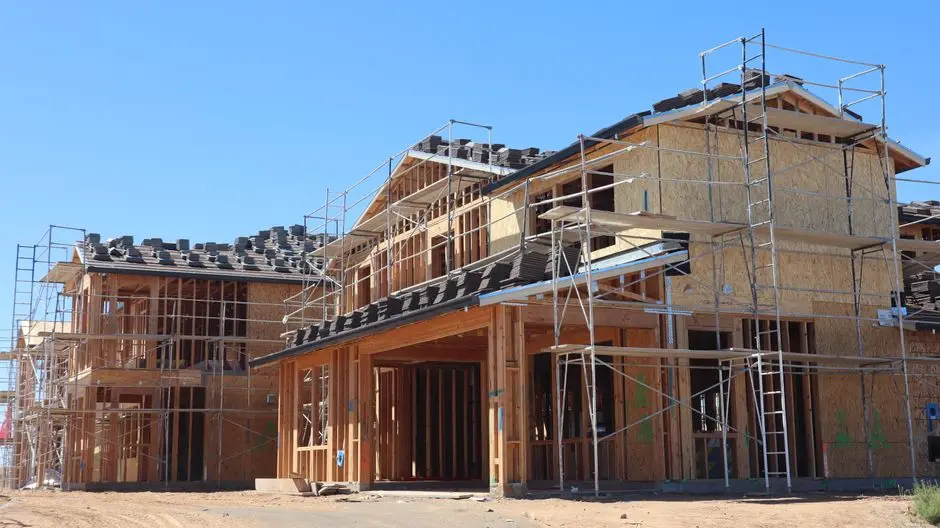
Ohio's Housing Market in September 2026: Setting the Stage
Ohio continues to be one of the more accessible housing markets in the Midwest, with a median active listing price of $194,900 as of September 2026, compared to the national median home sales price of $410,700 (second quarter of 2026 data). That gap tells an important story: Ohio offers meaningful value relative to the broader country, and that dynamic shapes how buyers approach the new construction versus existing home decision here differently than in higher-cost markets.
As of September 2026, Ohio reported 12,784 active listings statewide, with 4,809 closed sales in the prior 30 days and an average of 73 days from listing to close over the trailing 90-day window. Nationally, housing starts came in at approximately 1.239 million annualized units and building permits reached 1.443 million (both July 2026 data), signaling that builders remain active even as the average 30-year fixed mortgage rate sat at 6.71 percent as of September 2026. These figures are general market indicators and not an offer or guaranteed rate; consult a licensed lender for terms specific to your situation.
With that backdrop in place, let's examine what these conditions mean specifically for buyers and investors weighing new construction against existing homes across Cuyahoga County, Summit County, Stark County, Medina County, Portage County, and Wayne County.
The Case for New Construction in Ohio
Modern Standards, Lower Maintenance Costs
New construction homes built in Ohio today must meet updated building codes covering energy efficiency, insulation, electrical systems, and structural standards. Buyers who choose a newly built home can reasonably expect lower utility bills in the early years, fewer surprise repair costs, and builder warranties that typically cover structural components for several years. These factors matter when financing costs are elevated, because reducing monthly operating expenses helps offset a higher mortgage payment.
Where New Construction Is Growing
In Medina County, suburban development along the corridors connecting to Akron and Cleveland has drawn builder activity from regional and national developers. Portage County has also seen increased permit activity, particularly in townships near Ravenna and Aurora, where land is more available and lot costs remain comparatively lower than in core urban markets. In Stark County, new subdivisions around the Canton and Massillon areas offer buyers turnkey options with flexible floor plans and builder incentives that have become more common as builders work to move inventory in a higher-rate environment.
Builder Incentives in a Rate-Sensitive Market
As of September 2026, with the 30-year fixed rate at 6.71 percent, many Ohio builders have been offering financing incentives through affiliated lenders, including rate buydowns and closing cost contributions. These incentives can meaningfully reduce the effective cost of ownership in the early years of a loan, though buyers should compare the total cost of any builder-affiliated financing against independent lender options. Use a mortgage calculator to run the numbers side by side before committing to a builder's preferred lender.
New Construction Trade-Offs to Consider
- Premium pricing: New homes typically carry a price premium over comparable existing homes in the same general area, which affects both affordability and the equity position a buyer enters with.
- Construction timelines: Spec homes may be ready quickly, but custom or semi-custom builds in Ohio can take six months to over a year depending on the builder's backlog and material availability.
- Established landscaping and community maturity: New subdivisions often lack mature trees, finished common areas, and the visual warmth that comes with time, which matters to many buyers.
- HOA structures: Many new Ohio communities include homeowner association fees and restrictions that add to monthly costs and limit certain modifications.
The Case for Existing Homes in Ohio
Value and Price Points
Ohio's existing home inventory is where much of the state's value story lives. With a statewide median active price of $194,900 in September 2026, buyers can find solid single-family homes in markets like Wayne County and parts of Stark County well below that median. In urban cores like Cleveland and Akron, older housing stock provides entry points that new construction in those same geographies simply cannot match.
Established Neighborhoods and Lot Characteristics
Existing homes in Ohio often sit on larger lots with mature landscaping, established street trees, and proximity to commercial corridors that have developed over decades. In Cuyahoga County, neighborhoods in communities like Westlake, Strongsville, and Solon feature existing homes with generous square footage and lot sizes that newer construction in comparable price ranges rarely replicates. Buyers who value outdoor space, privacy, and a sense of place tend to find more of those qualities in established Ohio neighborhoods.
Negotiation Leverage
With 73 days as the average time from listing to close in Ohio as of September 2026, sellers of existing homes are not operating in a frenzied environment. That means buyers generally have room to negotiate on price, inspection contingencies, closing costs, and repairs. This is a meaningful contrast to some periods in recent years when inspection waivers and above-list offers were common. The current pace gives buyers the time to conduct thorough due diligence, which is especially important with older properties.
Existing Home Trade-Offs
- Deferred maintenance: Homes built before 2000, and certainly before 1980, may carry aging roofs, HVAC systems, plumbing, or electrical panels that require near-term capital. A thorough inspection is essential.
- Energy efficiency gaps: Older construction often lacks modern insulation and window standards, which can increase utility costs relative to a newly built home.
- Limited inventory in specific price bands: Move-in-ready existing homes in good condition at attractive price points in popular Ohio markets can still attract multiple offers even in a slower overall market.
- Financing considerations for distressed properties: Some lower-priced existing homes in Ohio, particularly in urban core markets, may not qualify for conventional financing and require FHA 203(k) rehabilitation loans or cash purchases. Consult a licensed lender to understand your options.
Investor Perspective: Which Path Pencils Out?
Ohio's price-to-rent ratios in many markets, particularly across Stark County, Portage County, and portions of Summit County, have historically made existing homes attractive for rental investors. Lower acquisition costs relative to rent rates produce more favorable gross yields. New construction, by contrast, demands a price premium that compresses initial returns, though investors gain the benefit of lower maintenance costs and longer periods before major capital expenditures.
For investors focused on appreciation and long-term hold strategies, new construction in growing suburban corridors of Medina and Portage counties may offer stronger positioning. For cash flow-oriented investors, well-selected existing properties in secondary Ohio markets continue to attract serious attention. This is general information only; consult a licensed financial advisor or CPA before making investment decisions.
How to Approach the Decision Practically
- Define your timeline: If you need to move within 90 days, spec new construction or existing homes make more sense than custom builds. If you have flexibility, a new build may be worth the wait.
- Budget for the total cost of ownership: Compare not just purchase price but also expected maintenance, HOA fees, utility costs, and property taxes. Ohio property taxes vary significantly by county and taxing district.
- Get pre-approved before you shop: Whether you're looking at a new subdivision in Medina County or an older colonial in Cuyahoga County, knowing your financing parameters tightens your search and strengthens your position.
- Use a local agent who knows both markets: Builder contracts differ significantly from traditional purchase agreements and carry terms that can disadvantage buyers who are unfamiliar with them. A knowledgeable agent helps level that playing field.
- Browse available listings: Seeing what is actually on the market in your target counties right now is the fastest way to calibrate your expectations.
Ohio's Opportunity Relative to the National Market
It is worth stepping back to note that Ohio buyers, regardless of whether they choose new construction or existing homes, are operating in a market where the median price point is less than half the national median as of September 2026. That affordability advantage means more buyers in Ohio can meaningfully compare both options, whereas in higher-cost markets new construction is often effectively out of reach for a large share of buyers. That broader optionality is one of Ohio's genuine strengths as a housing market.
Whether you are drawn to the energy efficiency and warranties of a new build in Medina County or the value and character of an existing home in Wayne County, Ohio offers a range that few other markets can match at comparable price points.
Ready to Explore Your Options in Ohio?
Making the right choice between new construction and an existing home depends on your specific goals, timeline, and financial picture. Our team has deep experience across Cuyahoga, Medina, Portage, Stark, Summit, and Wayne counties and can help you evaluate both paths with real data. Browse current Ohio listings to see what is available right now, or connect with our local experts to start a conversation about your goals. If you want to understand what financing looks like at today's rates before you decide, our mortgage calculator is a great place to start running the numbers.