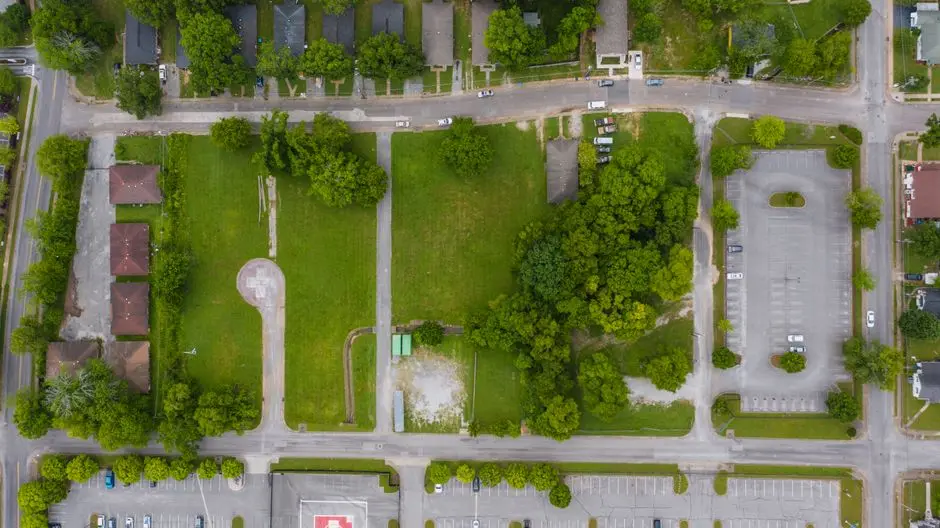

Photo by Eathan Hood on Pexels
Ohio's First-Time Buyer Market: What You Need to Know
Ohio continues to be one of the most accessible states for first-time homebuyers in the country, and the numbers back that up. As of September 2026, the median active listing price in Ohio sat at $190,000, a figure that stands in sharp contrast to the national median home sales price of $410,700 (second quarter of 2026 data). With 12,565 active listings across the state and 4,825 closed sales in just the last 30 days of that reporting window, the Ohio market remains active and full of opportunity for buyers who are prepared.
Whether you are browsing homes in Cuyahoga County, exploring options in Medina County, or considering properties in Stark County, there are specific things every first-time buyer should evaluate before making an offer. This guide breaks down what to look for so you can move forward with clarity and confidence.
Start With the Structure: What's Underneath Matters Most
Ohio's climate is hard on homes. Freeze-thaw cycles throughout Northeast and Central Ohio cause foundation movement, water infiltration, and basement issues that can cost tens of thousands of dollars to repair. Before falling in love with a property's updated kitchen or freshly painted walls, train your eye on the bones of the home.
Foundation and Basement
Ohio has a high percentage of homes with full basements, and that is both a feature and a responsibility. During any showing, look for horizontal cracks in block foundations (a sign of lateral pressure from soil), efflorescence (white mineral deposits left by water intrusion), and musty odors that suggest chronic moisture. In counties like Portage County and Wayne County, where older housing stock is common, basement water management systems can be a worthwhile investment, but you want to know upfront whether one is needed.
Roof and Gutters
Ohio winters are demanding on roofing materials. Ask for the age and material of the roof. Asphalt shingles typically last 20 to 25 years, and a roof nearing the end of its lifespan is a negotiating point or a potential dealbreaker depending on your budget. Clogged or improperly pitched gutters funnel water toward foundations, which compounds basement issues. Check the gutters during your walkthrough and note whether downspouts direct water away from the structure.
Heating Systems
Many Ohio homes rely on forced-air furnaces, and given the state's cold winters, a reliable heating system is non-negotiable. Ask for the age of the furnace and when it was last serviced. A furnace older than 15 to 20 years may need replacement within your first few years of ownership. In rural parts of Summit County and Wayne County, some homes use oil or propane rather than natural gas, which affects ongoing utility costs.
Location Factors That Go Beyond the Address
The phrase "location, location, location" gets repeated in real estate for a reason, but for first-time buyers in Ohio, it is worth unpacking what location actually means in practical terms.
Commute and Transportation Access
Ohio is primarily a car-dependent state, but proximity to major highways and employment centers still affects both quality of life and resale value. Properties near Interstate 77 in Canton, Interstate 76 corridors in Akron, or the broader highway network around Cleveland tend to offer shorter commute times to major employment hubs. Before you buy, drive the route to work at the time you would actually be commuting. A 20-minute drive on a Sunday afternoon can become 45 minutes on a Tuesday morning.
Flood Zones and Environmental Considerations
Ohio's many rivers, including the Cuyahoga, Tuscarawas, and Muskingum, make flood zone awareness critical. Properties in or near flood plains require federal flood insurance, which can add hundreds to thousands of dollars to annual carrying costs. Before making an offer, check the Federal Emergency Management Agency's flood map service to confirm whether the property is in a designated flood zone. Your lender will require flood insurance if it is, but knowing this early prevents surprises.
Lot Size and Zoning
Ohio offers a wide range of lot sizes, from small urban parcels in places like Lakewood to sprawling rural acreage in Wayne or Medina counties. Think about how the lot aligns with your actual lifestyle. A large yard comes with lawn care, snow removal, and landscaping costs. Zoning also matters: confirm that the property's zoning classification allows for any planned use, whether that means a home-based business, an accessory dwelling unit, or a future addition.
Understanding Ohio's Older Housing Stock
A meaningful portion of Ohio's housing inventory was built before 1980, which means first-time buyers often encounter homes with character, but also with age-related concerns that require attention.
Lead Paint and Asbestos
Homes built before 1978 may contain lead-based paint, and sellers are legally required to disclose known lead paint hazards. Asbestos was commonly used in insulation, floor tiles, and pipe wrapping in homes built before the late 1970s. Neither issue is automatically a dealbreaker, but both require professional assessment. If testing reveals lead or asbestos, factor remediation costs into your offer or negotiation.
Electrical Systems
Older Ohio homes may have original knob-and-tube wiring or early aluminum wiring, both of which are considered fire hazards by most insurance companies and may make a home uninsurable or significantly more expensive to insure. An electrical inspection, done as part of your general home inspection, should identify these issues. Upgrading a panel and rewiring a home can cost anywhere from a few thousand to over $20,000 depending on the scope.
Plumbing Materials
Galvanized steel pipes, common in pre-1960s construction, corrode from the inside and can restrict water flow or fail entirely. Lead supply lines were also used in some older homes. A licensed plumber can identify piping materials during a pre-purchase inspection and give you a realistic sense of replacement timelines and costs.
The Inspection Process: Your Single Most Important Tool
As of September 2026, the average time from listing to close in Ohio was 73 days, which means you typically have enough time to conduct a thorough inspection before committing. Do not waive this step, regardless of market pressure. A professional home inspection typically costs between $300 and $500 in Ohio and can surface issues that allow you to negotiate repairs, a price reduction, or seller concessions.
Consider going beyond a standard inspection in certain situations. A sewer scope inspection is especially valuable for homes in established urban areas of Cuyahoga County or older parts of Akron, where clay tile sewer lines may be deteriorating. A radon test is also wise: Ohio has areas with elevated radon levels, and the Ohio Department of Health recommends testing all homes. Radon mitigation, when needed, is a relatively affordable fix, usually in the $800 to $1,500 range, but you want to know before you close.
Financing Your First Ohio Home
Understanding your financing options early shapes every other decision. As of September 2026, the average 30-year fixed mortgage rate was around 6.66 percent, according to national market data. That figure is illustrative and subject to change; for a personalized rate estimate based on your credit profile and down payment, consult a licensed mortgage lender directly. You can also explore payment scenarios using our mortgage calculator to get a sense of how different price points affect your monthly budget.
Ohio offers several down payment assistance programs through the Ohio Housing Finance Agency. Program availability, income limits, and assistance amounts change periodically, so verify current eligibility requirements directly with OHFA or a participating lender. General information only should guide your initial research; a licensed financial professional can walk you through what applies to your specific situation.
Working With a Local Expert Makes the Difference
Ohio is not a monolithic market. A property in Medina County has different pricing dynamics than one in urban Cleveland or rural Wayne County. An experienced local agent understands how to read comparative market data, what inspection issues are common in specific areas, and how to structure an offer that protects your interests. You can learn more about our team and the counties we serve, including Cuyahoga, Summit, Stark, Portage, Medina, and Wayne.
You can also browse active Ohio listings to start identifying properties that match your priorities in terms of price, location, and property condition. Seeing a range of options helps you develop a sharper sense of what features matter most to you before you ever schedule a showing.
Your First Home Is a Big Step. Take It With Confidence.
Buying your first home in Ohio means entering a market with real value and real variety. The state's median active price of $190,000 as of September 2026 gives first-time buyers a genuine opportunity to build equity, but preparation is what separates a confident purchase from a stressful one. Focus on structural soundness, understand your location's specific risks and advantages, invest in thorough inspections, and work with professionals who know your target counties well. When you are ready to take the next step, our team is here to help you navigate every part of the process with clarity and expertise.