Photo by Ryan Stephens on Pexels
Why Ohio Roofs Age Faster Than You Might Expect
If you own a home in Cuyahoga County, Summit County, or anywhere across Northeast Ohio, you already know the weather does not play nice with roofing materials. The region experiences an average of 60 or more inches of snowfall per year in the snowbelt counties east of Cleveland, combined with repeated freeze-thaw cycles that expand and contract shingles dozens of times each winter. Add in the warm, humid summers that accelerate granule loss on asphalt shingles, and you have conditions that can shave three to five years off a roof's rated lifespan.
That reality matters a great deal when you are buying, selling, or simply maintaining a home. A roof that might last 25 years in a drier climate could realistically perform for only 18 to 20 years here. Knowing that benchmark helps you plan ahead rather than react to an emergency leak in January.
Recognizing the Signs You Need a New Roof
Not every roof problem requires a full replacement, but several indicators suggest you are past the point of patching:
- Curling or cupping shingles: When the edges of shingles curl upward or the center buckles, the material has reached the end of its flexibility and no longer sheds water properly.
- Widespread granule loss: Finding a heavy buildup of granules in your gutters is normal on a new roof but signals wear-out on an older one. Granules protect the asphalt layer from UV degradation.
- Daylight in the attic: Any visible light coming through the roof deck means water will follow. Inspect your attic on a bright day before assuming the structure is sound.
- Ice dam damage: Ohio's winters regularly produce ice dams along eave lines. Repeated ice dam cycles can lift shingles, force water under the underlayment, and rot the decking beneath.
- Age over 20 years: Most standard three-tab asphalt shingles carry a 20 to 25-year rating. If your roof is in that window and showing any other symptoms, a proactive replacement is almost always cheaper than waiting for a failure.
A licensed roofing contractor can typically complete an inspection in under an hour and provide a written assessment. Getting two or three independent estimates before committing to a full replacement is a sound practice.
Roofing Material Options and How They Perform in Ohio
Architectural (Dimensional) Asphalt Shingles
By far the most common choice across Medina County, Stark County, and Wayne County, architectural shingles offer a reasonable balance of cost, durability, and aesthetic variety. They typically carry 30-year warranties and handle Ohio's precipitation well when installed with proper ice-and-water shield along the eaves. Installed costs in Ohio generally range from roughly $8,000 to $14,000 for an average single-story home, though larger or steeply pitched roofs will push that figure higher. Always confirm pricing with local contractors, as material and labor costs shift with market conditions.
Impact-Resistant Asphalt Shingles
Class 4 impact-resistant shingles are worth considering in areas prone to severe hail, which tracks across the Akron-Canton corridor with some regularity. These shingles have a modified polymer base that resists cracking under hail impact. Some Ohio homeowners have negotiated insurance premium reductions after upgrading to Class 4 shingles. Consult your insurance carrier directly to understand whether a discount applies to your policy before making that a primary buying decision.
Metal Roofing
Standing-seam steel and steel shake panels have gained significant traction in Ohio over the past decade. Metal roofing excels at shedding snow (reducing ice dam formation), carries 40 to 50-year warranties on many products, and handles the region's temperature swings without granule degradation. The upfront cost is substantially higher than asphalt, often ranging from $18,000 to $35,000 or more depending on roof complexity. However, the longer lifespan means fewer replacement cycles over the life of a home, which can make the math work in favor of metal for homeowners planning a long-term hold. Consult a tax professional about any potential energy-related credits before assuming eligibility.
Cedar Shake
Cedar shake roofs appear on many older Craftsman and Colonial Revival homes throughout Portage County and the historic neighborhoods of Cleveland and Akron. They offer strong insulating properties and a distinctive appearance, but Ohio's humidity and moss-prone conditions require diligent maintenance. Treated cedar products perform better in this climate, but the ongoing upkeep cost is worth factoring into your total ownership calculation.
Synthetic Slate and Composite Shingles
High-end synthetic products that mimic slate or wood shake have improved dramatically in quality and are now a credible alternative. They are lighter than natural slate (reducing structural load concerns), resistant to freeze-thaw cracking, and carry warranties of 40 to 50 years. Installed costs typically fall between metal and natural slate, making them an increasingly popular premium choice.
What Roof Replacement Actually Costs in Ohio
Roofing costs are driven by four main variables: material choice, roof size and pitch, decking condition, and local labor rates. Northeast Ohio labor markets sit in roughly the middle of the national range, though contractor availability, permitting requirements, and disposal fees vary by municipality.
As a general planning framework:
- Architectural asphalt: Approximately $7,500 to $15,000 for a typical ranch or two-story home.
- Impact-resistant asphalt: Approximately $10,000 to $18,000.
- Standing-seam metal: Approximately $18,000 to $40,000 depending on profile and complexity.
- Synthetic composite: Approximately $15,000 to $30,000.
These figures are general illustrations, not quotes or guaranteed prices. Obtain written estimates from at least three licensed Ohio contractors and verify that each bid includes tear-off, underlayment, ice-and-water shield along all eaves (required by Ohio's building code for the first three feet up from the eave edge in most jurisdictions), ridge ventilation, and all flashing replacement. Bids that omit these items may look cheaper on paper but lead to warranty issues or premature failure.
If a roof replacement is on your horizon and you are weighing how it affects your home's overall value, our home value estimator can give you a useful starting point for understanding your equity position.
Financing Your Roof Replacement
Most homeowners use one of four financing approaches: homeowner's insurance (if the damage qualifies as a covered peril), a home equity loan or line of credit, a personal home improvement loan, or contractor financing arrangements. Each carries different interest cost implications, and what makes sense depends on your credit profile, available equity, and current rate environment.
As a point of reference, the average 30-year fixed mortgage rate was approximately 7.11 percent as of November 2026. Rates on home equity products are typically variable and benchmarked to a different index. These are general market figures, not an offer or guaranteed term. For accurate rate quotes and financing guidance, speak with a licensed lender. Our mortgage calculator can help you model different loan scenarios as a starting point.
Keep in mind that a roof replacement is considered a capital improvement for tax purposes in most cases, which can affect your cost basis when you eventually sell. Consult a licensed tax professional for advice specific to your situation.
The Best Time of Year to Replace a Roof in Ohio
Timing matters more in Ohio than in many other parts of the country. Here is how the calendar breaks down:
Late Summer and Fall (August Through October)
This is the sweet spot for most Ohio homeowners. Temperatures are warm enough for asphalt shingles to seal properly (most manufacturers specify a minimum temperature around 40 to 45 degrees Fahrenheit for adhesive strips to activate), contractor availability is high before the winter slowdown, and you are getting ahead of the ice dam season.
Spring (April Through June)
Spring is the second-best window. The rush of post-winter inspection demand means lead times can stretch to several weeks, so book early. Wet spring weather can cause scheduling delays, but temperatures are generally appropriate for installation.
Winter (November Through March)
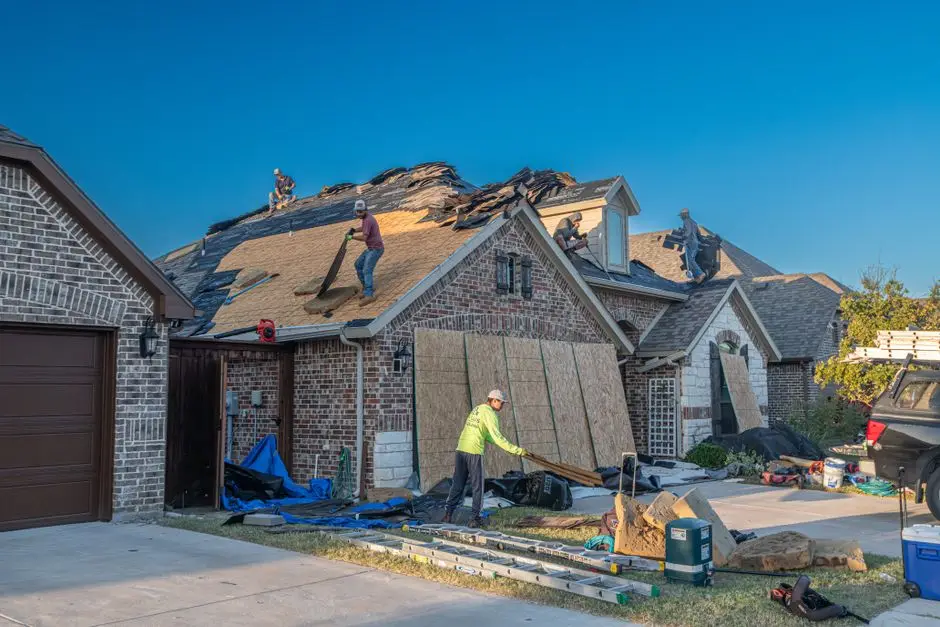
Replacement in cold months is possible but introduces complications. Shingles are brittle below 40 degrees and must be hand-sealed rather than relying on the factory adhesive strip. Reputable contractors can and do install roofs in Ohio winters, but the process requires more care and can cost somewhat more in labor. If you have an active leak, do not wait for spring. A temporary repair followed by a full replacement in a more favorable window is better than allowing water infiltration to damage the decking and interior structure.
Roof Replacement and Home Value
A new roof is one of the more consistent return-on-investment home improvements in Ohio's resale market. Buyers doing due diligence, particularly in areas with active buyer representation like Canton and Akron, routinely factor roof age into their offer calculations. A roof that is two years old versus one that is 18 years old can influence offer price, inspection contingency terms, and financing approval (some loan programs require a roof to have a remaining useful life that exceeds the loan term).
If you are preparing to list your home, addressing a failing roof before going to market typically yields a cleaner transaction than a post-inspection price reduction negotiation. Browse our Ohio community pages to explore market conditions in your area, and visit our selling resources to understand how improvements affect your home's marketability.
Working With a Qualified Ohio Roofing Contractor
Ohio requires roofing contractors to hold a valid contractor's license in many counties and municipalities. Before signing any contract, verify the contractor holds a current Ohio Home Improvement Contractor registration, carries general liability insurance with limits appropriate for roofing work, and provides workers' compensation coverage. Ask for a written, itemized contract that specifies materials by manufacturer and product line, warranty terms, payment schedule, and project timeline. Never pay the full amount upfront.
Your real estate agent can be a valuable resource here. Local agents working in Cuyahoga, Medina, Portage, Stark, Summit, and Wayne counties maintain networks of trusted vendors and can point you toward contractors with established track records in your specific community.
Plan Ahead, Not in a Panic
Roof replacement is a significant investment, but approaching it with a clear understanding of materials, costs, and timing puts you in a much stronger position than reacting to an emergency. Ohio's climate is demanding, and the homes that hold their value best are the ones where owners have treated the roof as a system worth monitoring, maintaining, and replacing on a planned schedule.
Whether you are buying a home and want to understand what the existing roof means for your five-year cost picture, preparing to sell and wondering how to present a recent replacement to buyers, or simply a current homeowner planning ahead, our team is here to help. Learn more about our local expertise, search available homes in Ohio, or reach out directly to connect with an agent who knows your county inside and out.